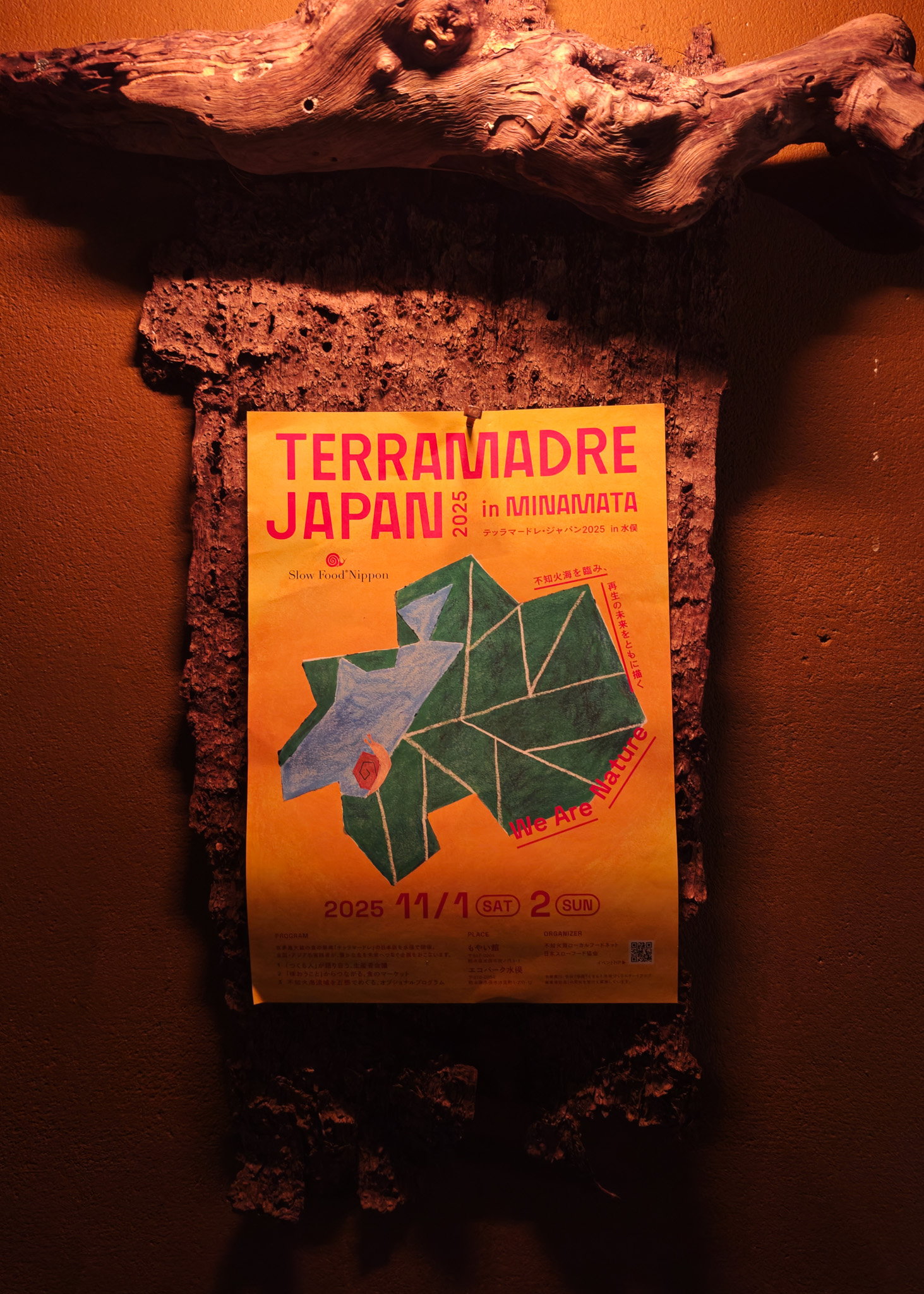
A few weeks ago, I travelled to Minamata in Kyushu to attend the Terra Madre Japan event as a sole delegate from Hong Kong. I knew nothing about this town or even where it is located – I actually had to search on Google Map to find that out right before finalizing the travel logistics for this event organized by Slow Food Nippon.
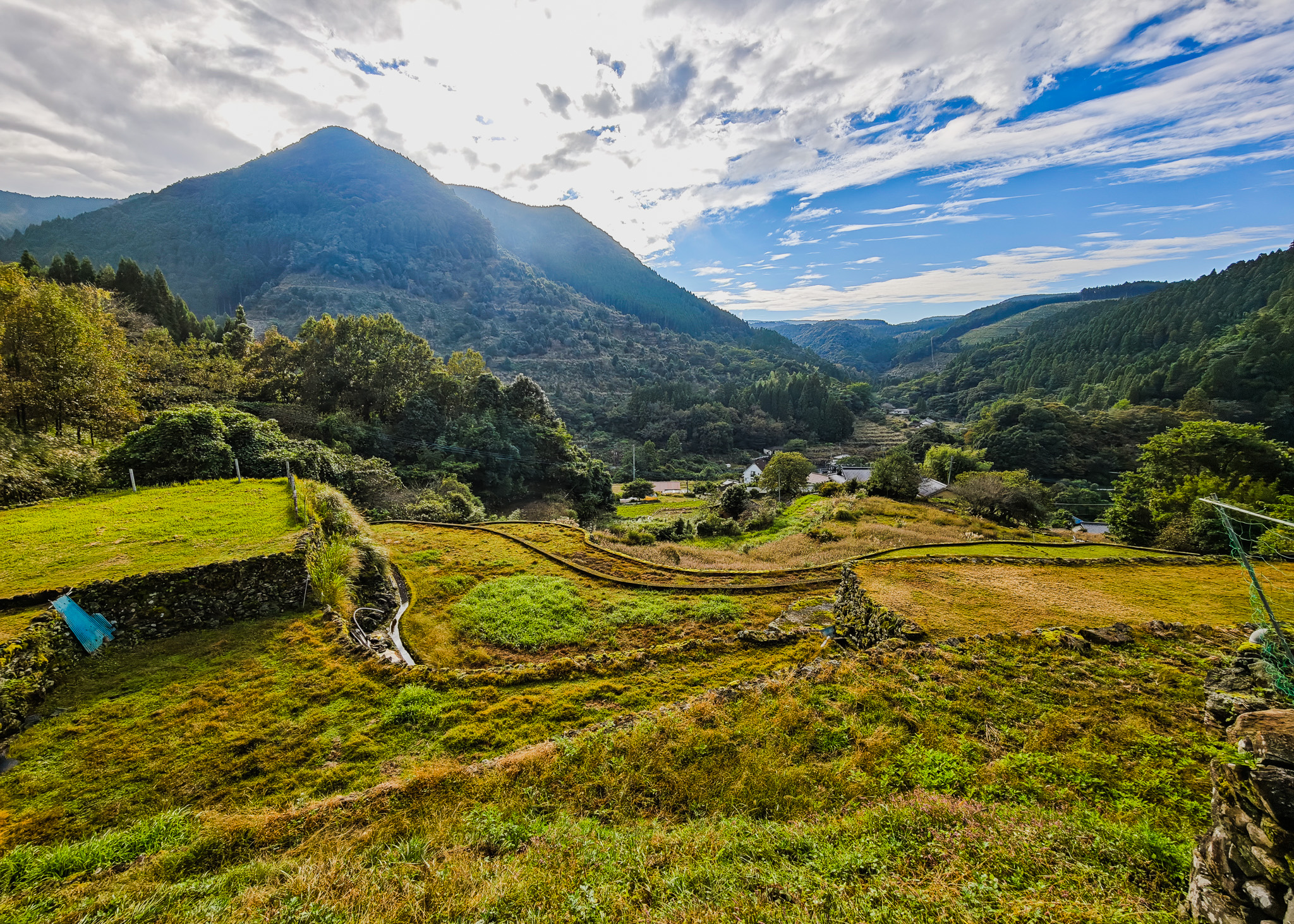
To most people, this coastal town in Kyushu’s Kumamoto Prefecture (about an hour away from Fukuoka by Shinkansen train) was known for the wrong reasons. Some 70 years ago the industrial mercury pollution incident from a chemical plant nearby caused severe environmental damage with thousands of residents died or suffered permanent neurological damage after consuming contaminated water and food – the neurological disorder from mercury poisoning has since been named after the city. Decades later, the environmental impact from the outbreak has since been eradicated and now the town is on a mission to be the advocate for eco-friendliness, though in a sense the memory of the outbreak still burdens the local community and its people due to this unfortunate association.
私たちは自然である (“We are Nature”) is the slogan adopted as the theme for this Terra Madre event – the second time this being held in Japan – with hundreds of delegates (including food producers, farmers, chefs and others) attending from across Japan and some travelling from Korea, Thailand, Taiwan and oh, Hong Kong (that would be me) Over the 3 days in early November, through seminars, workshops, panel discussions, meals and site visits, together we explored a number of topics concerning the future of food and how people and nature should co-exist in harmony and to share knowledge, challenges and experiences among all delegates from all walks of life and from different regions.
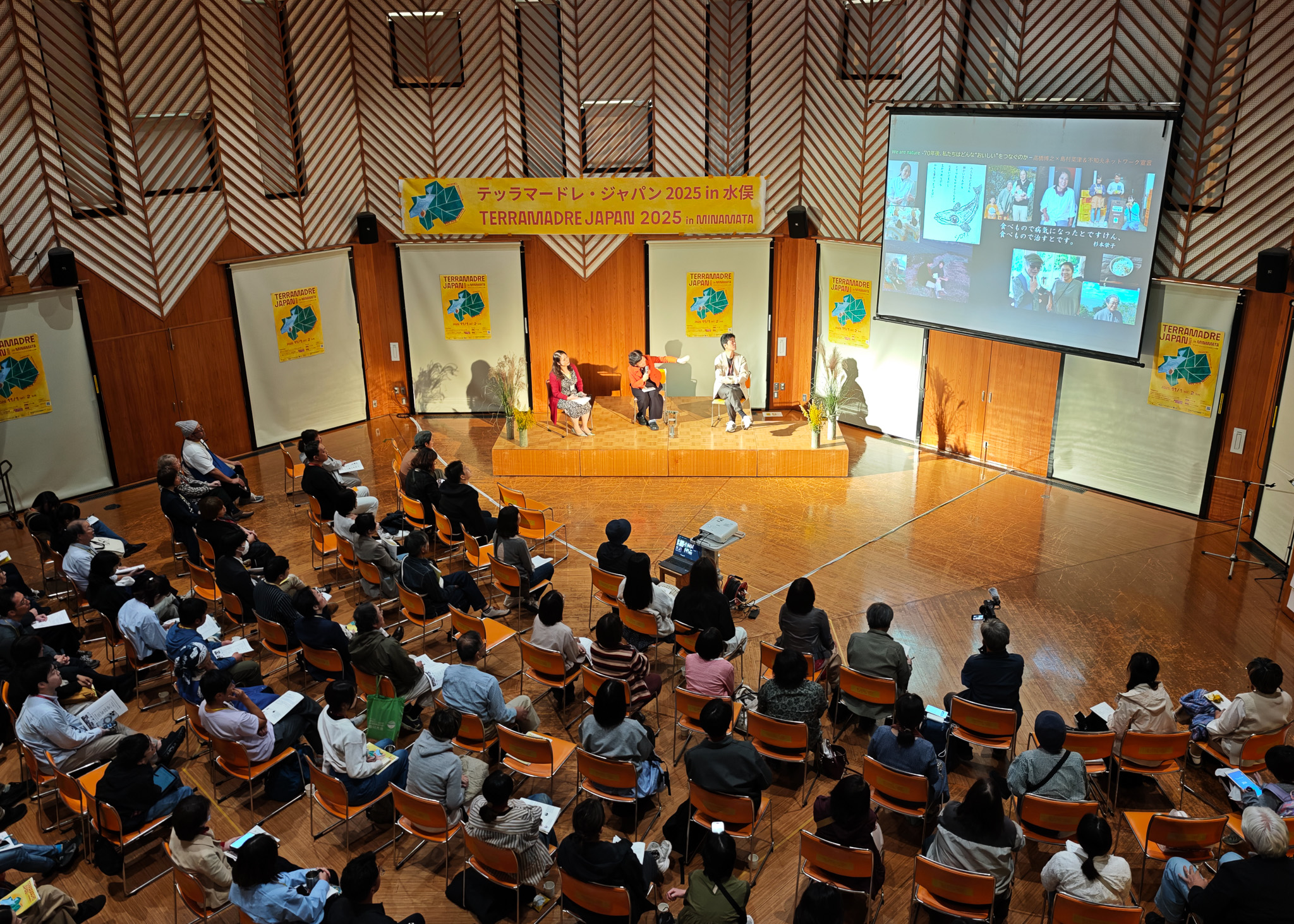
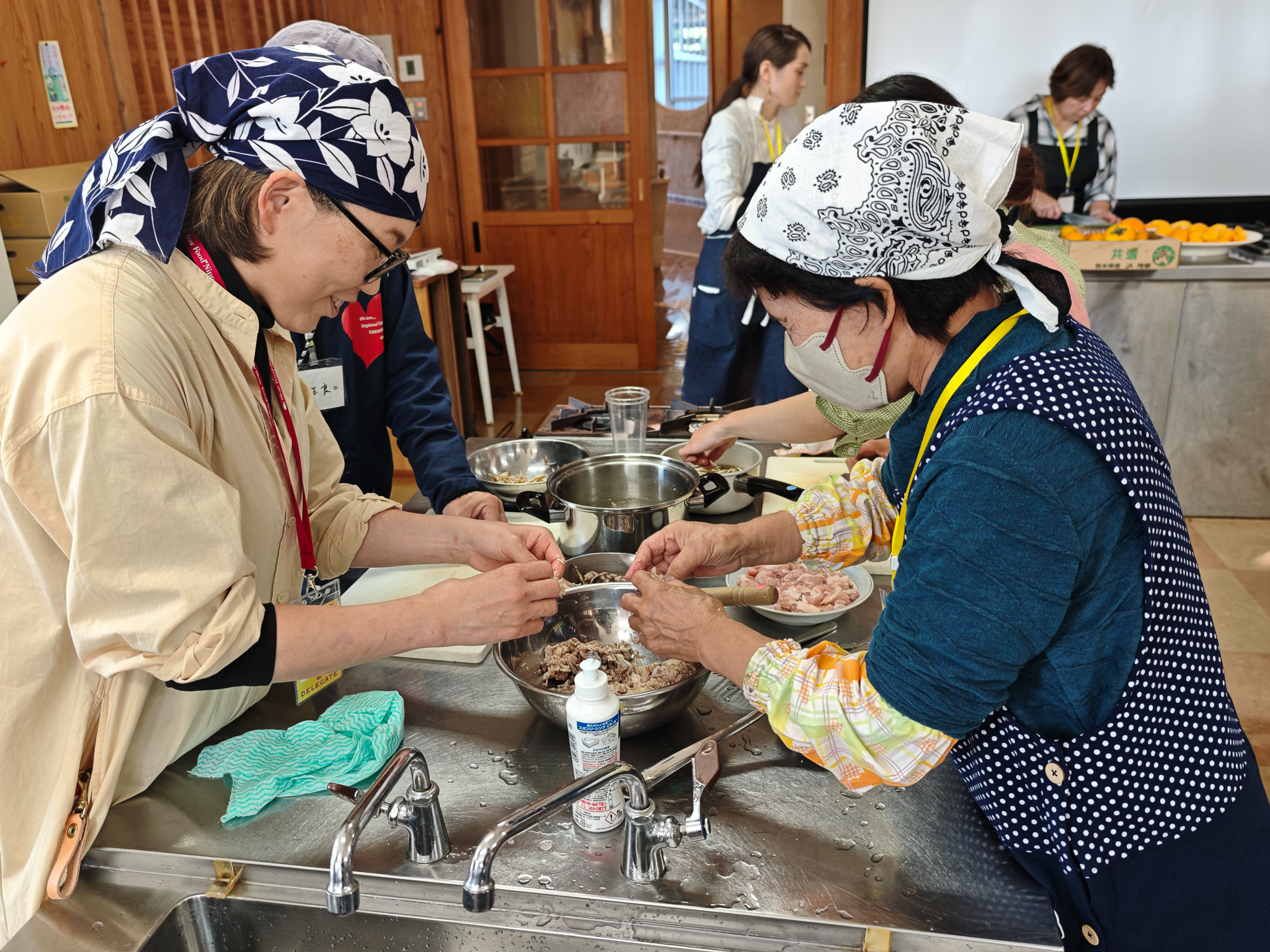
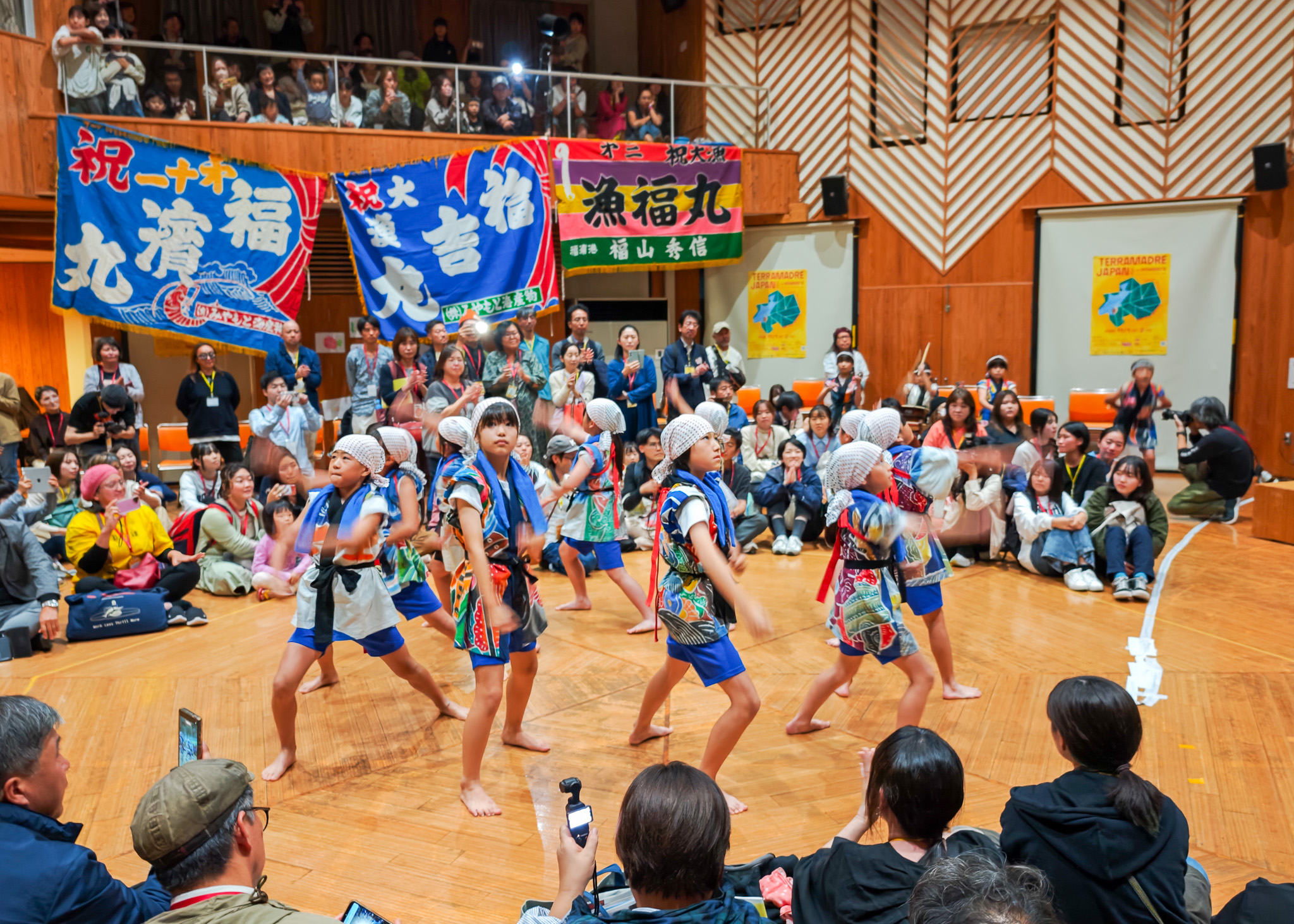
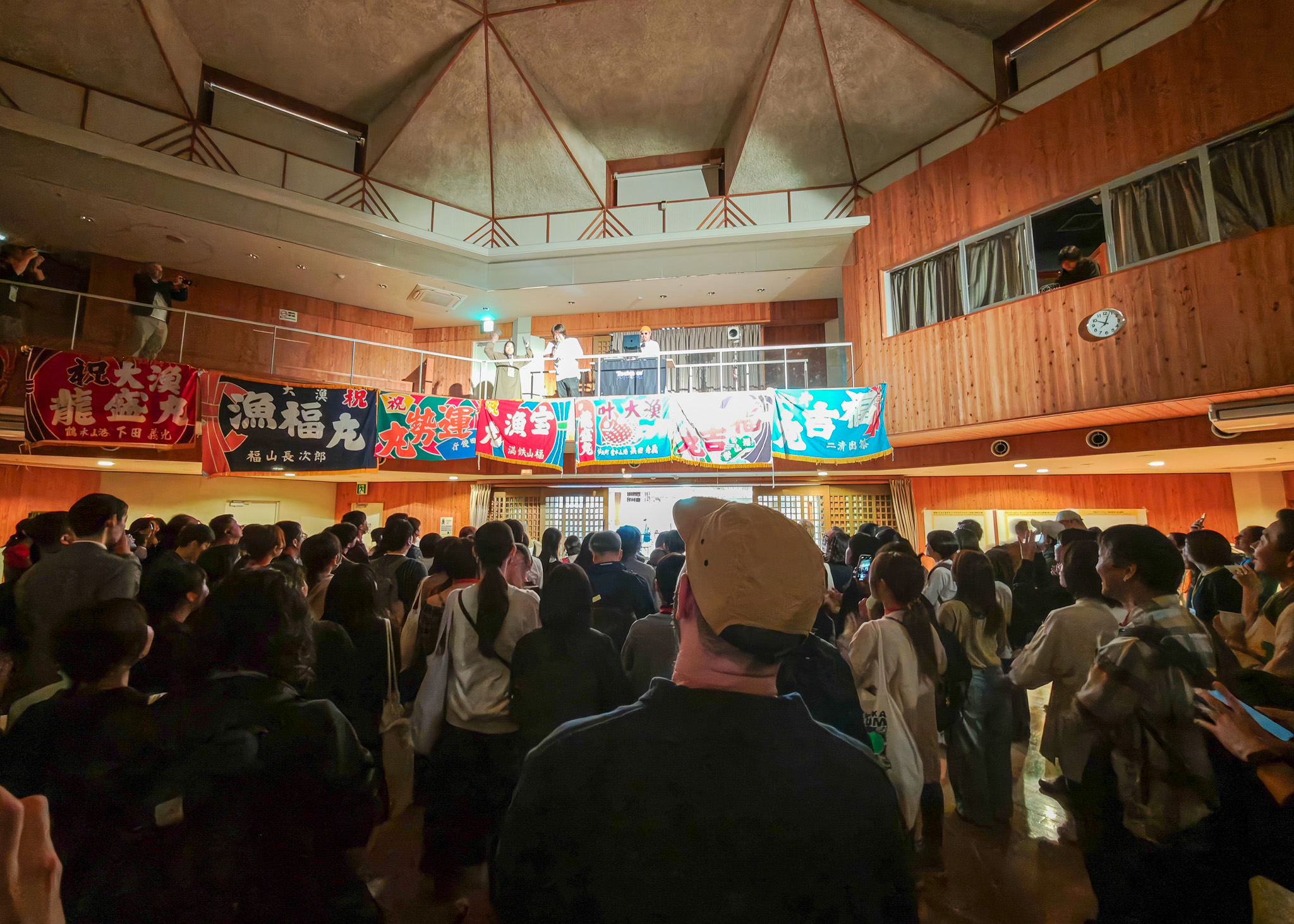
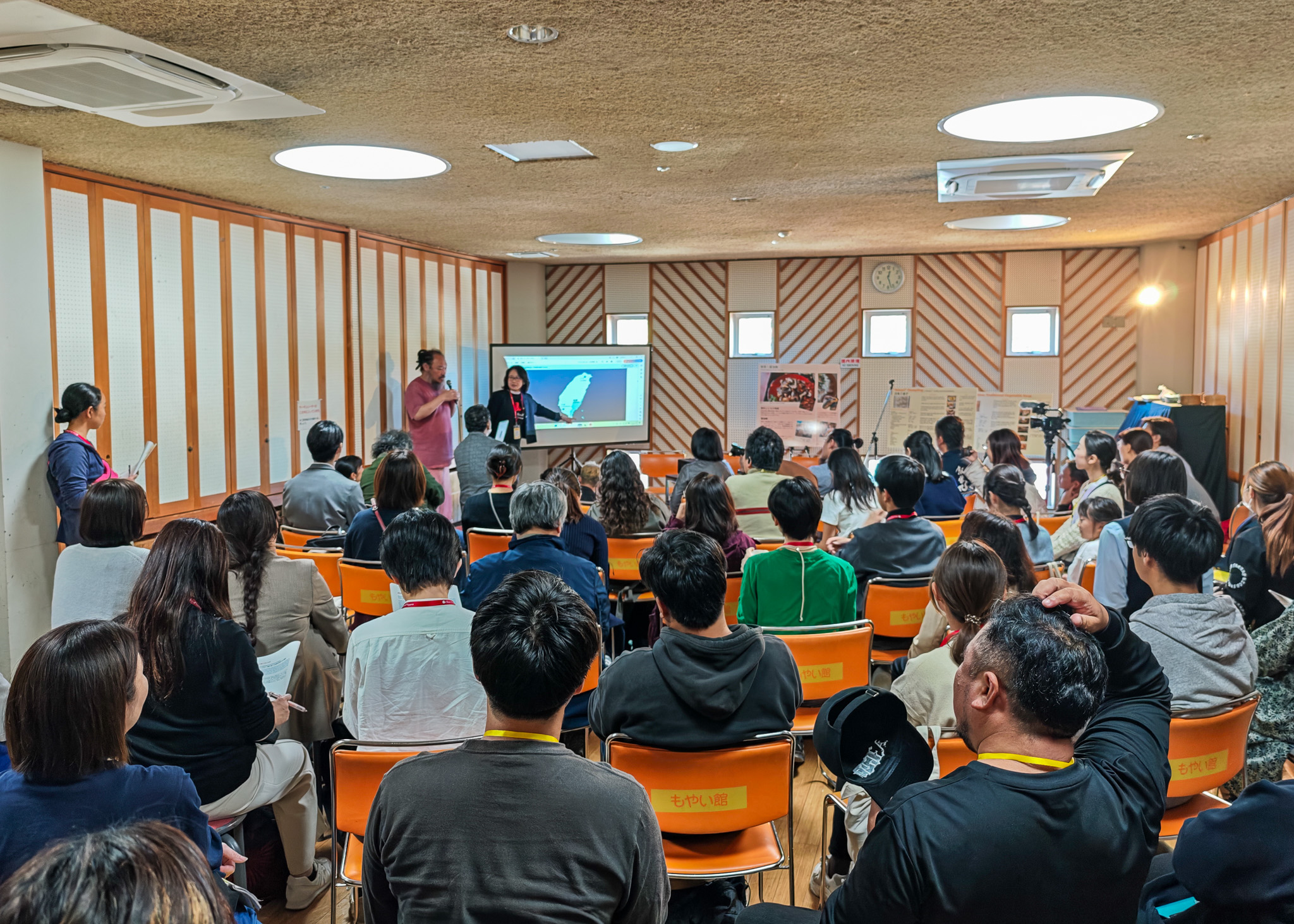
The first day was dedicated to the “National Producers Conference” held at a community hall facility in Minamata with the full day agenda filled with more serious topics, from farm animal welfare to land and sea regeneration efforts to sharing session on how to promote slow food travel. I also enjoyed attending a few hands-on workshops where others shared their experiences in fermentation or making traditional dishes – I especially loved the one with grandmas from local villages showing us how to prepare a home-cooked comfort dish called Torijiru (Chicken Soup) using local and season ingredients.
“What ‘deliciousness’ will we pass on seventy years from now?” – the conference left with these final words for everyone to ponder upon and as a powerful reminder to everyone that whatever we do (or not do) today will have profound impact on how the future will look like.
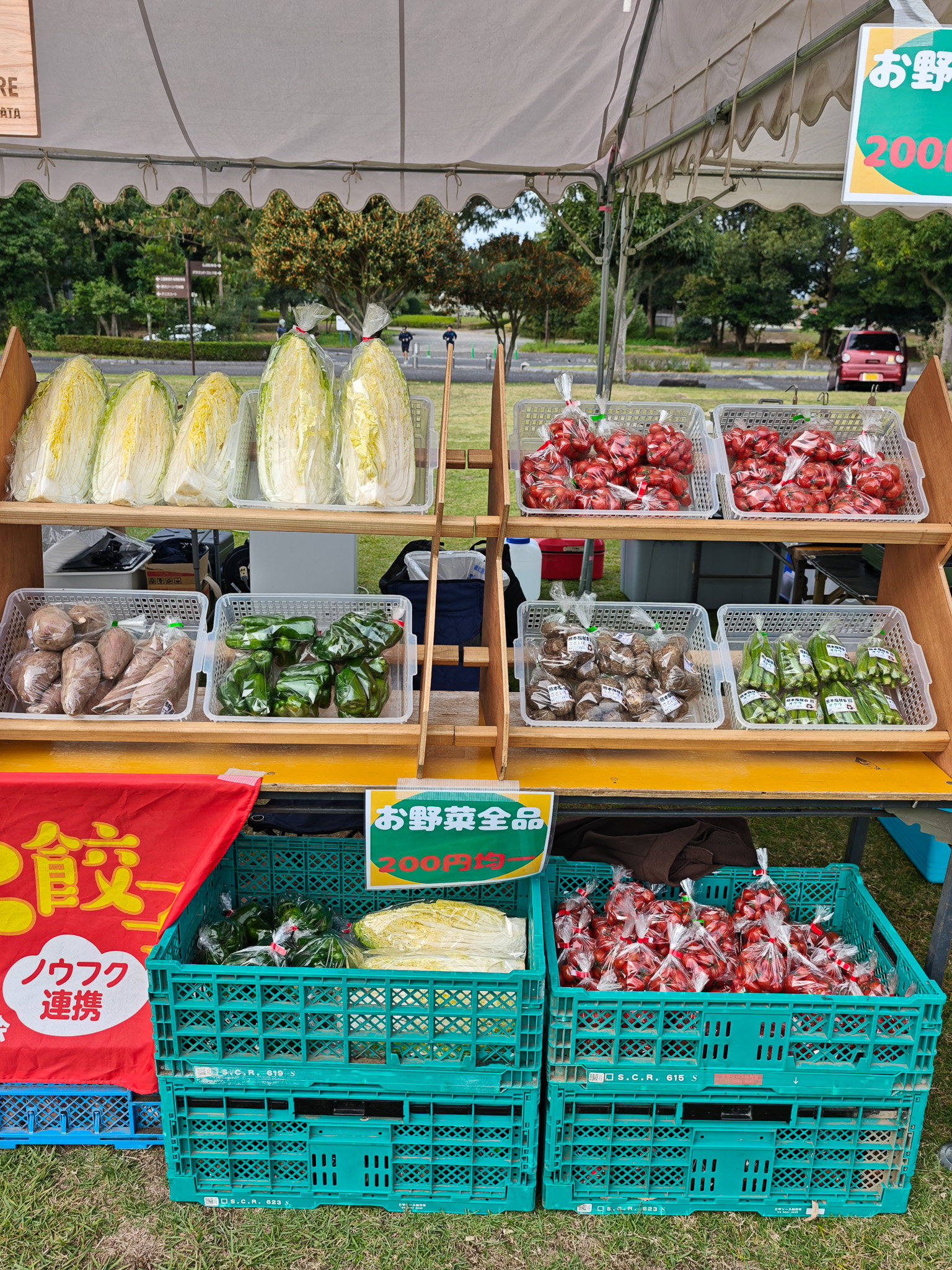
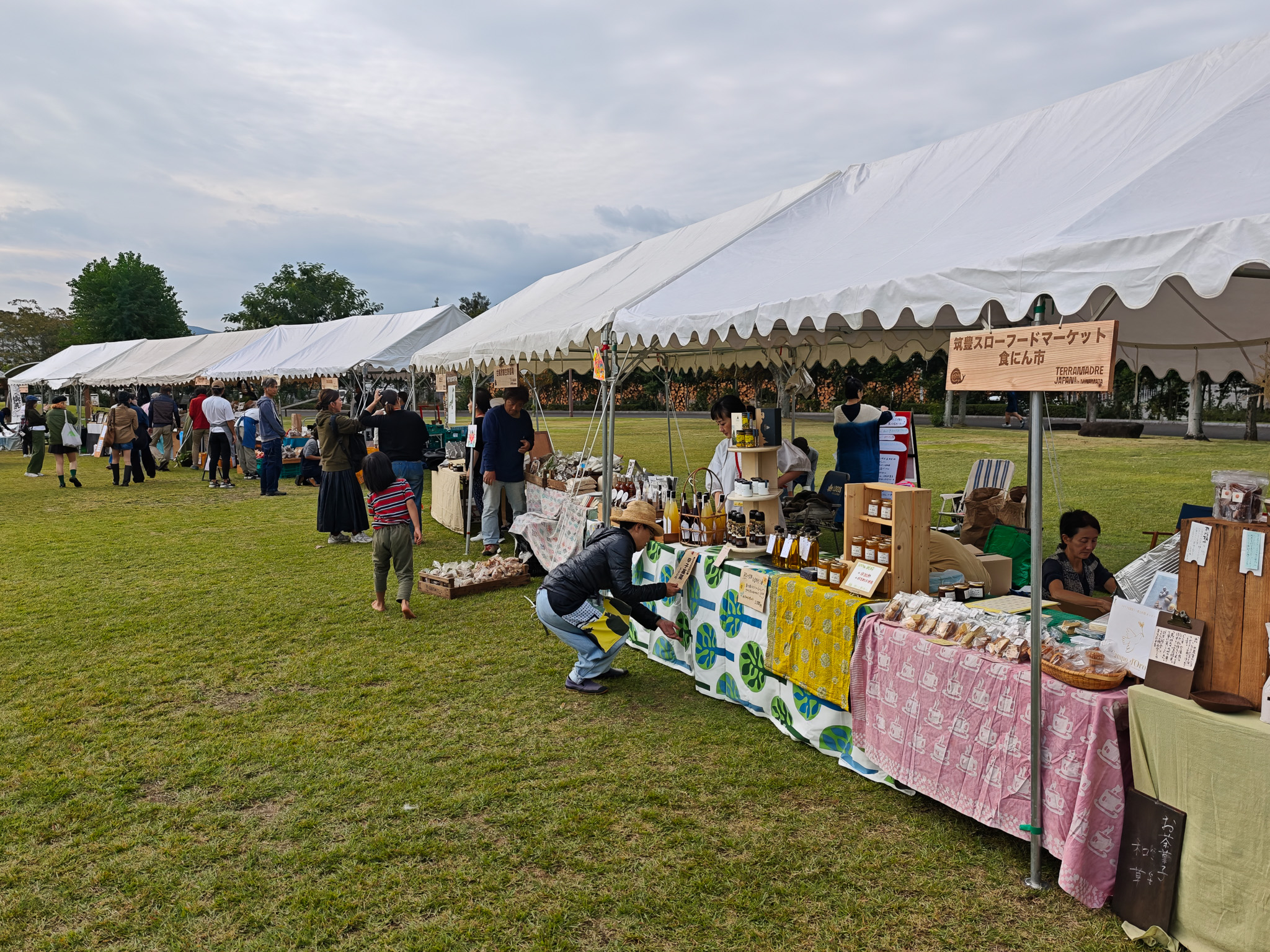
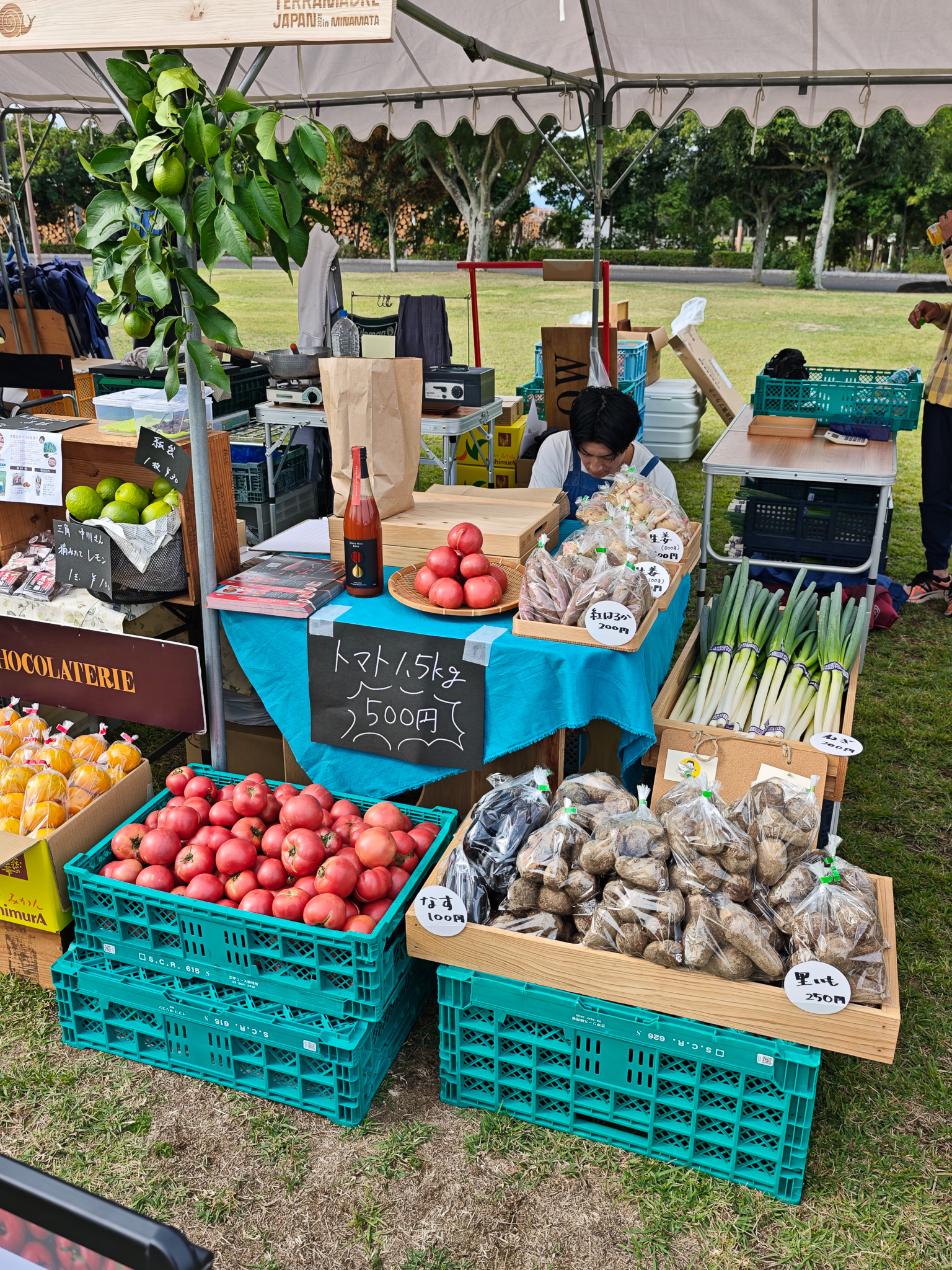
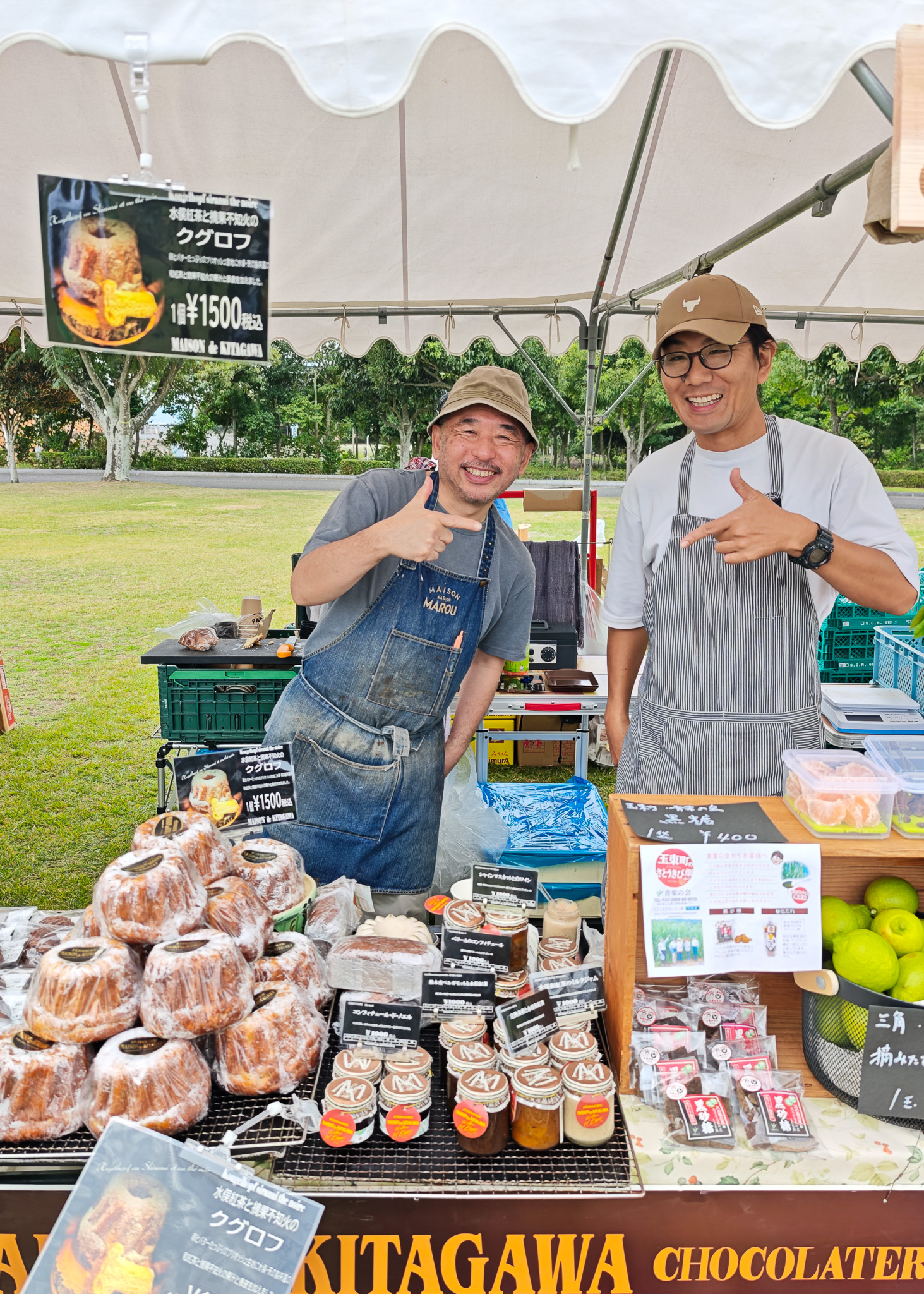
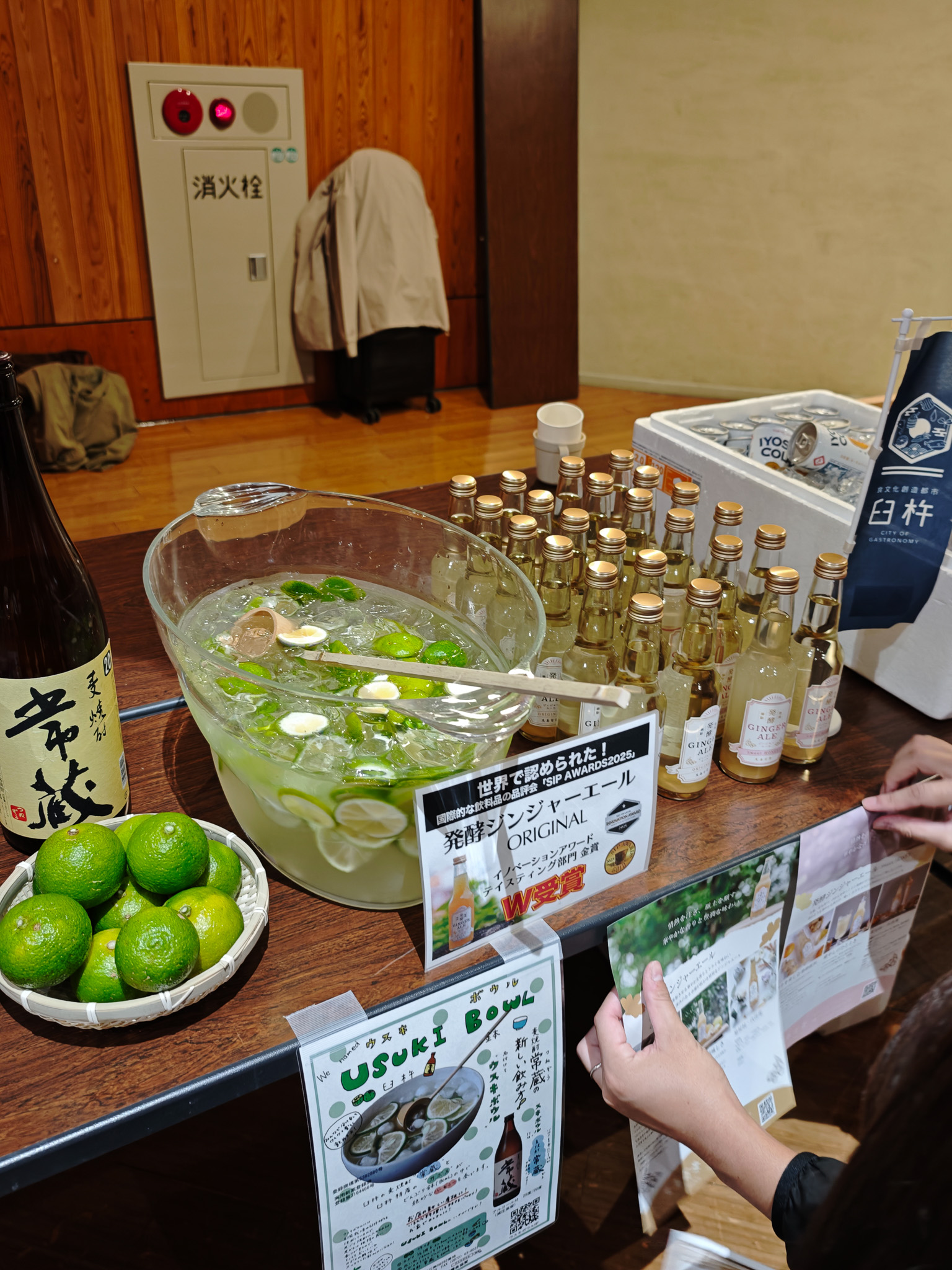
Inspired by the Salone del Gusto food festival event held in Slow Food’s Headquarter in Turin every 2 years, on the second day of Terra Made Japan a Slow Food Market was held on the beautiful Eco-park Ground in Minamata where hundreds of food producers gathered to showcase some of their goods and dishes. That’s the day we got to interact more with the farmers and food producers through their products in a much relaxed setting. I was on a shopping spree to get as much ingredients as possible – no wonder my luggage was overweighed on the return flight home.
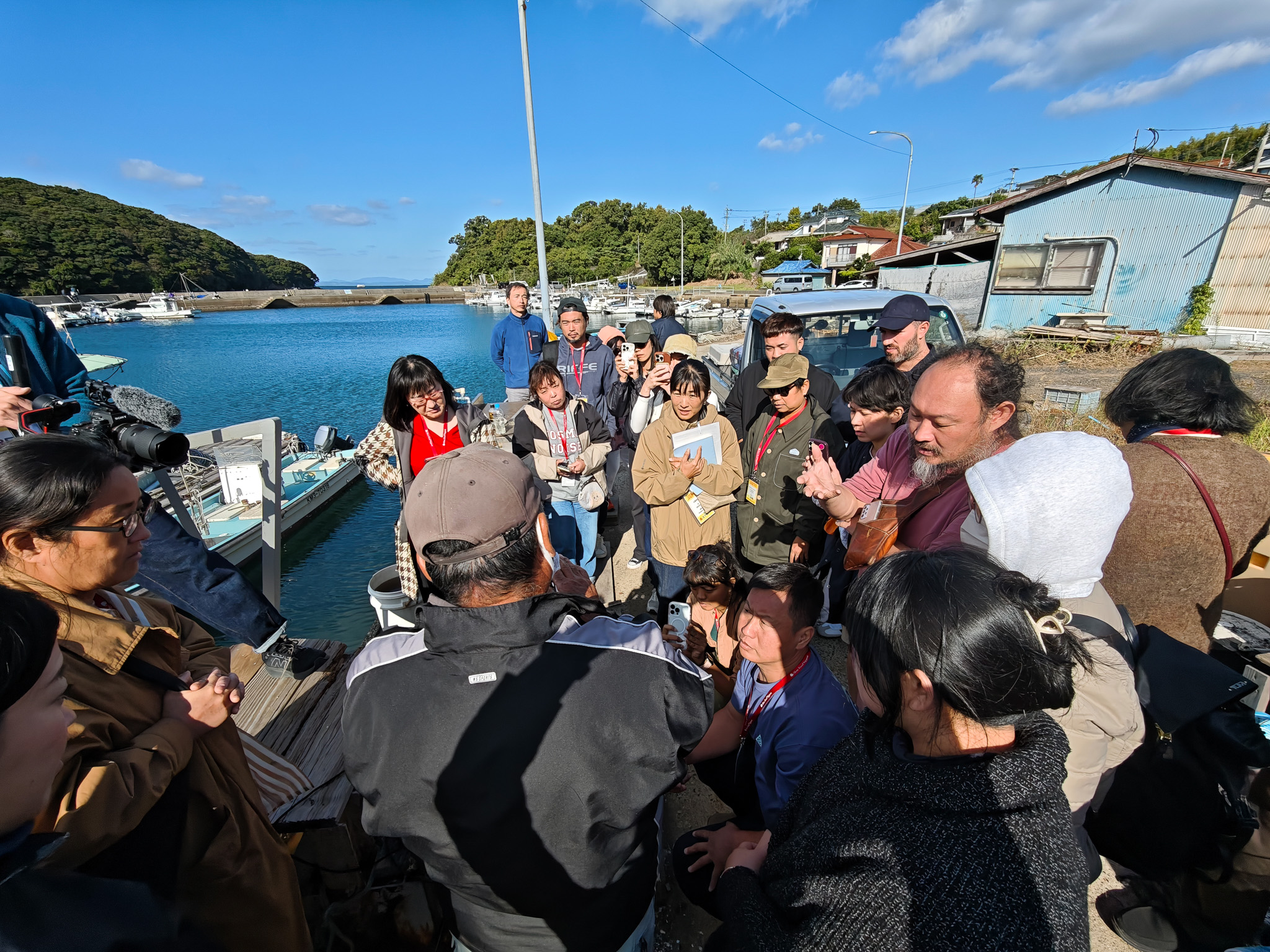
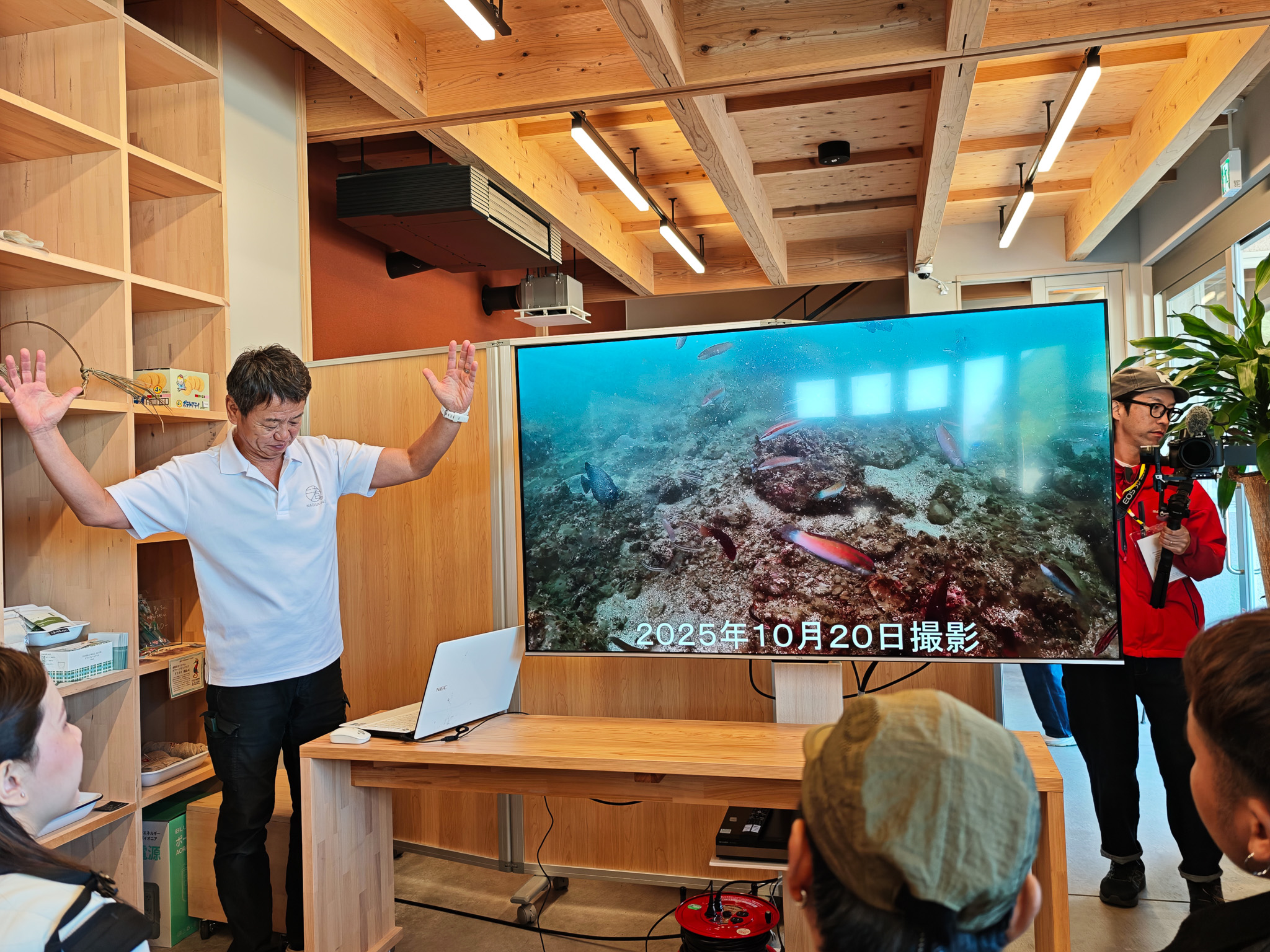
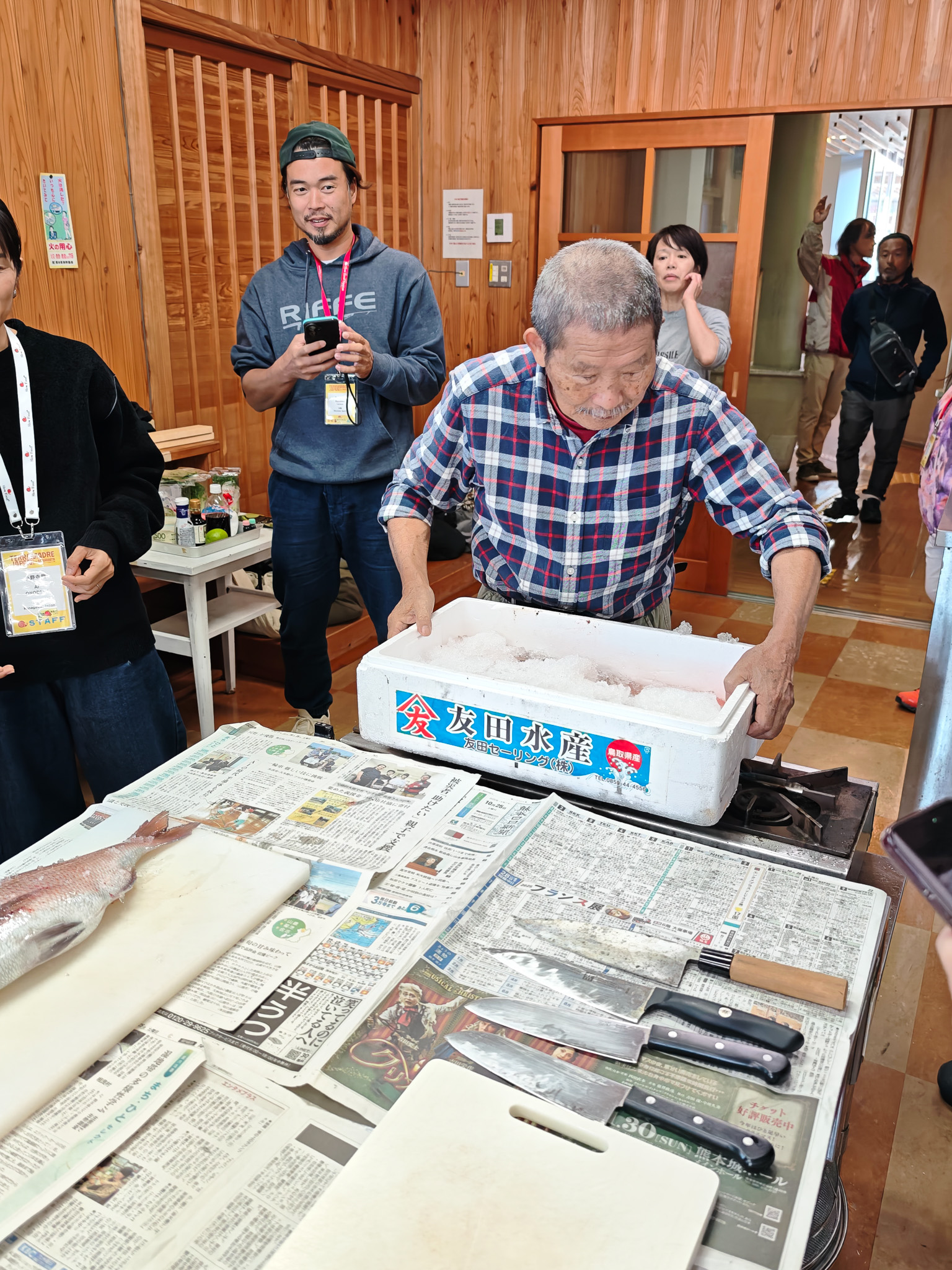
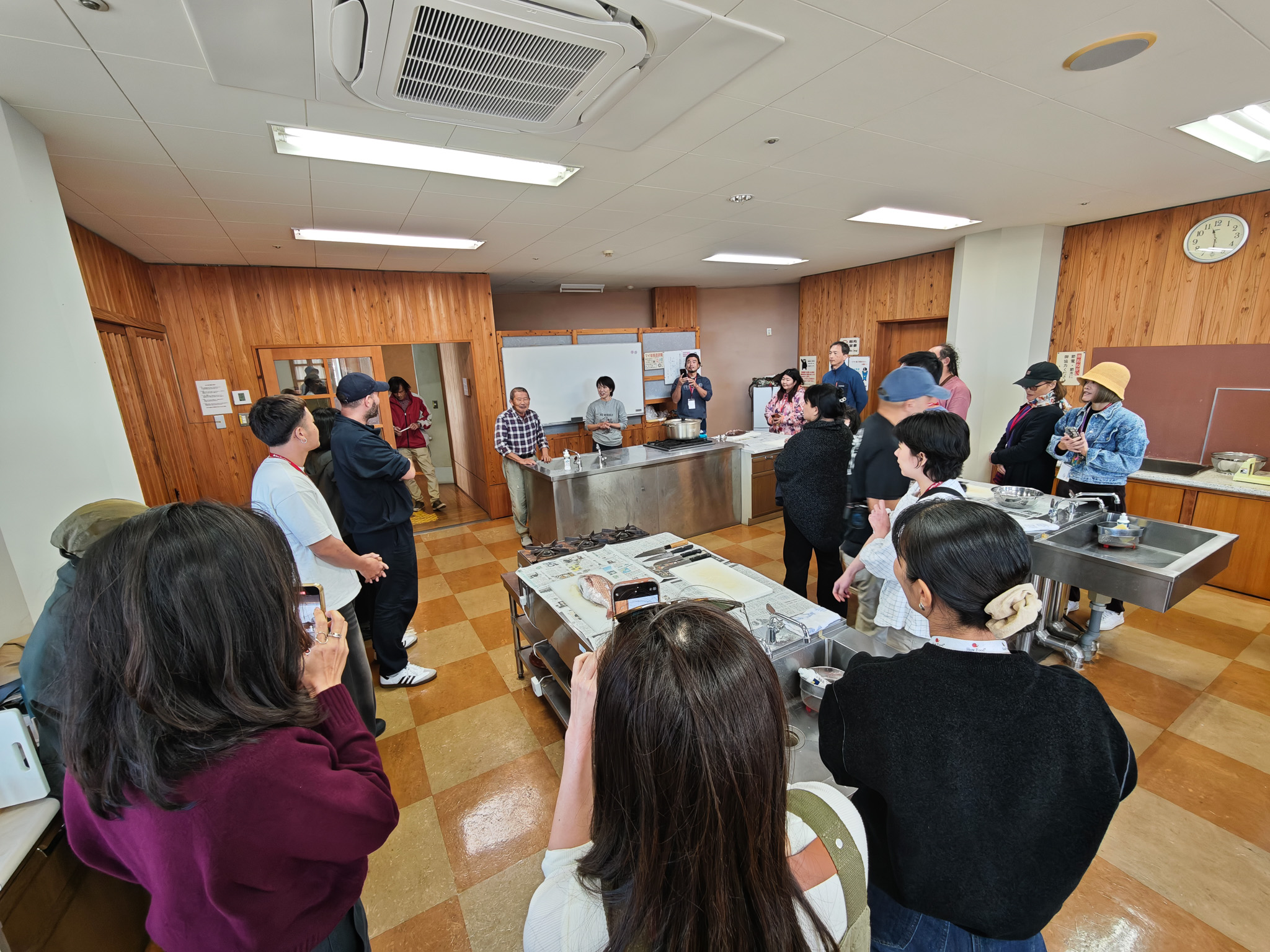
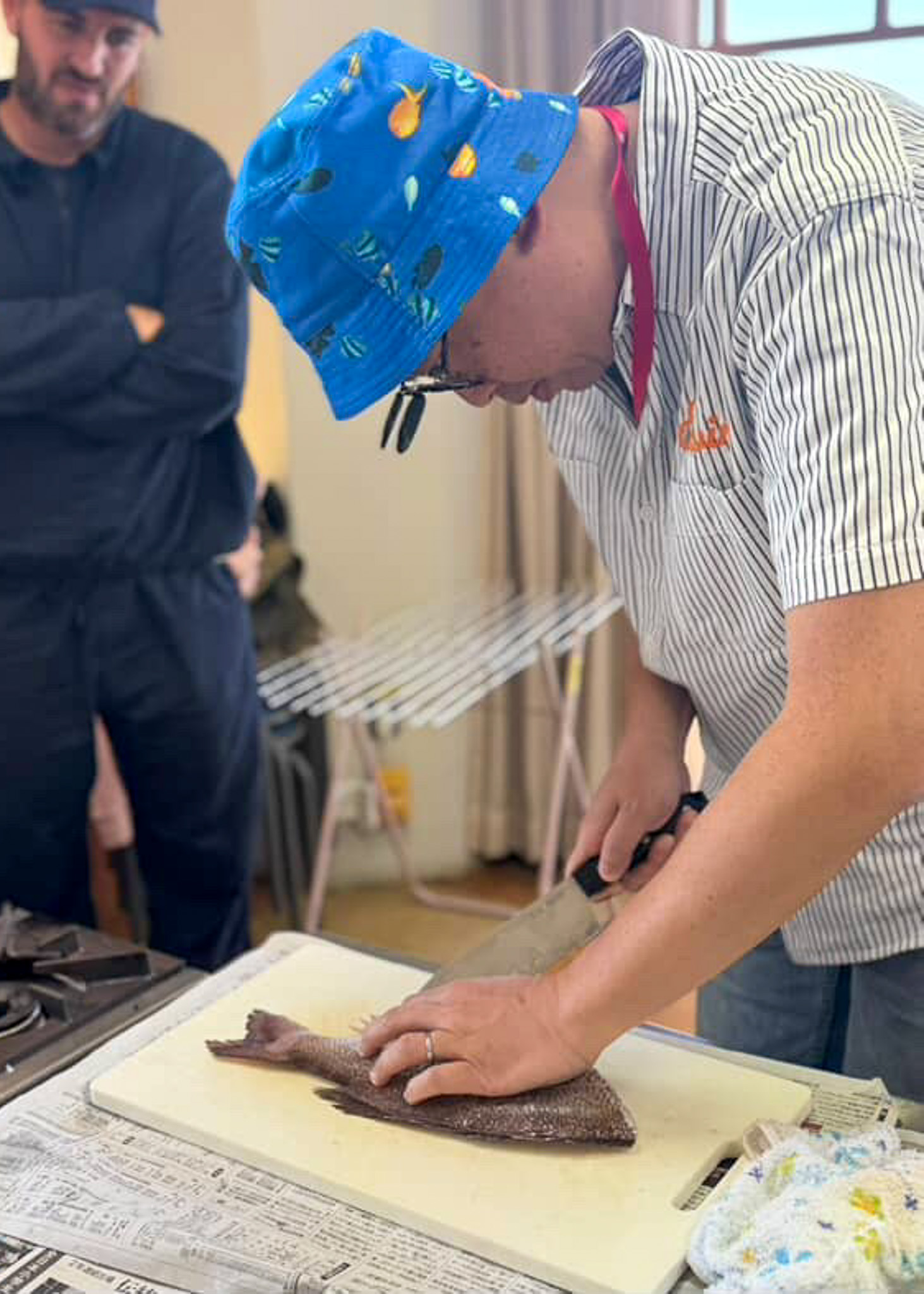
On our last day, we went on a field trip to explore the nearby Shiranui Sea, the bay area adjacent to Minamata which suffered from the mercury outbreak decades ago and now saw the effect of global warming. We heard the sharing of a local oyster farmer talking about the challenges he faces, a diver instructor talking to us the bio-diversity undersea and the changes he observed over the years, and ended with a fun session when the local fish purveyor brought us the freshest catch of the day and we prepared sashimi together at a community kitchen.
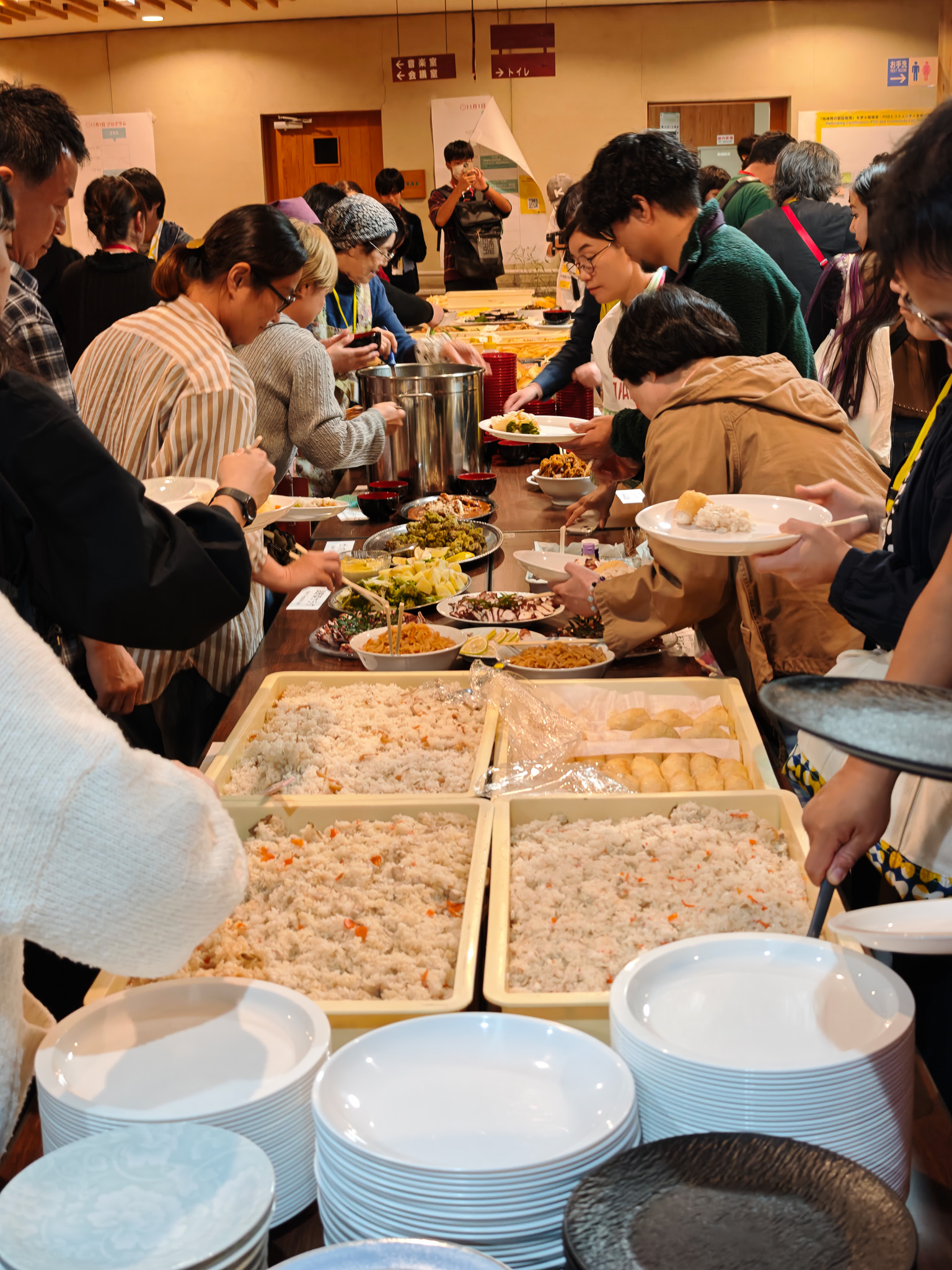
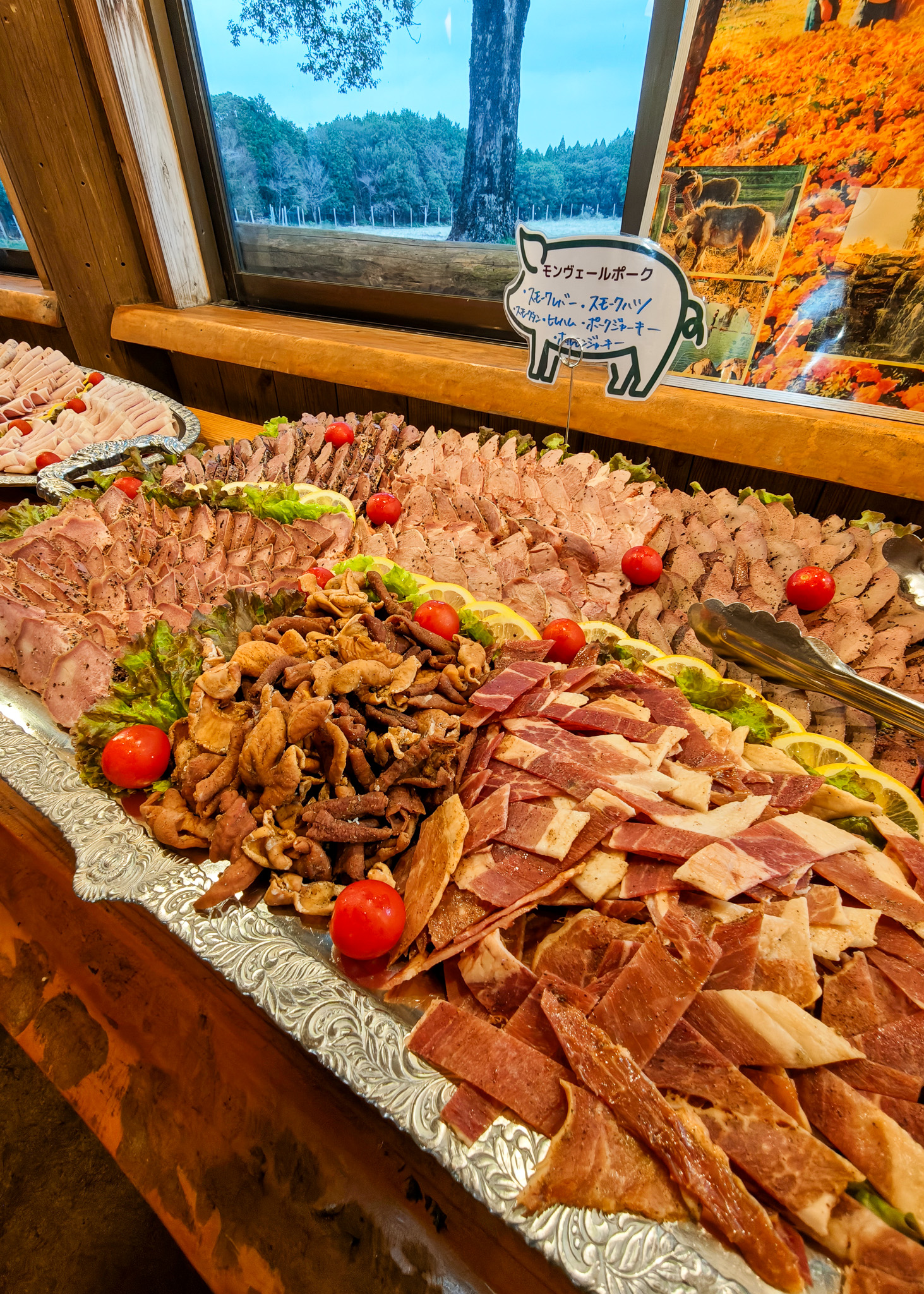
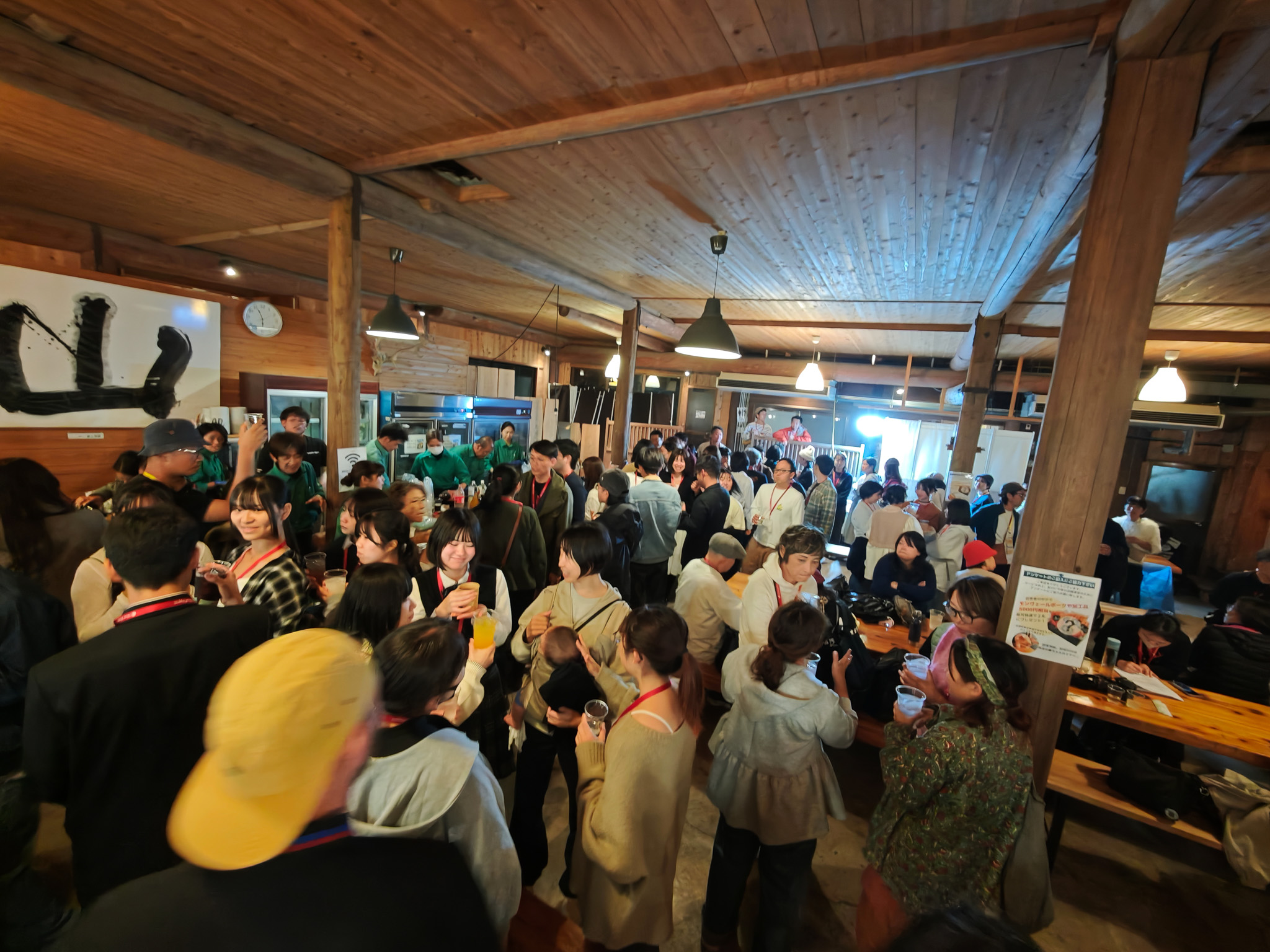
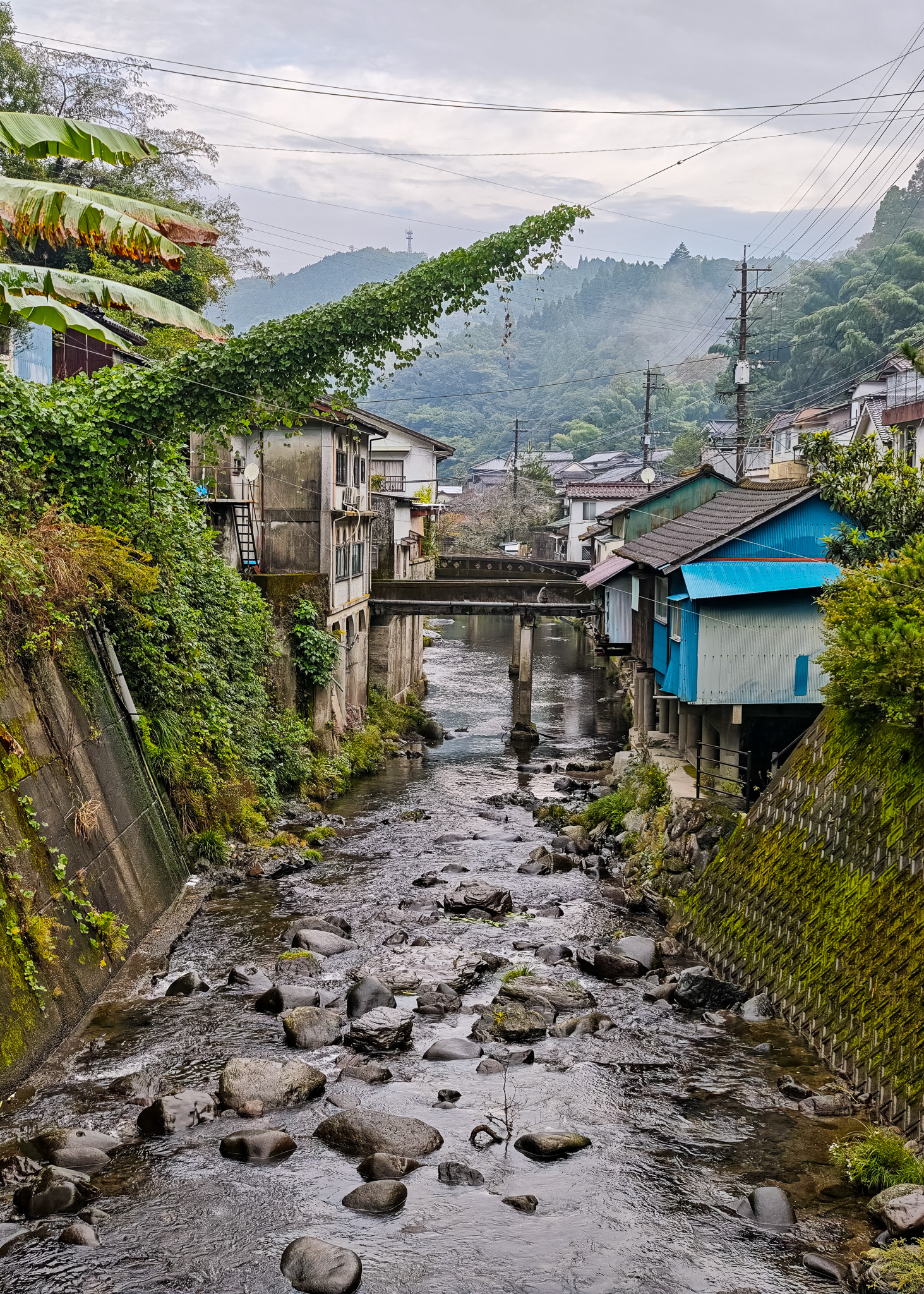
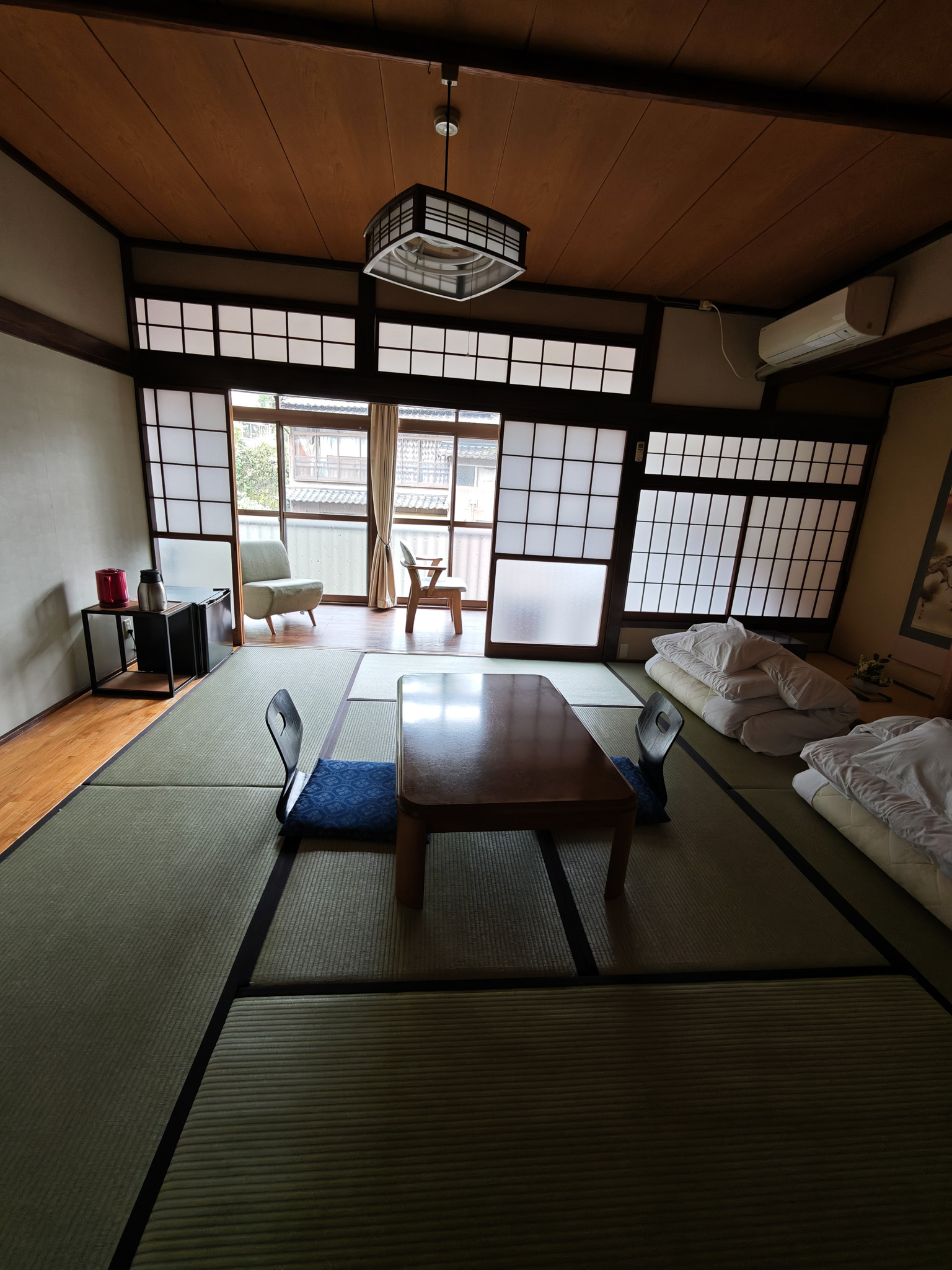
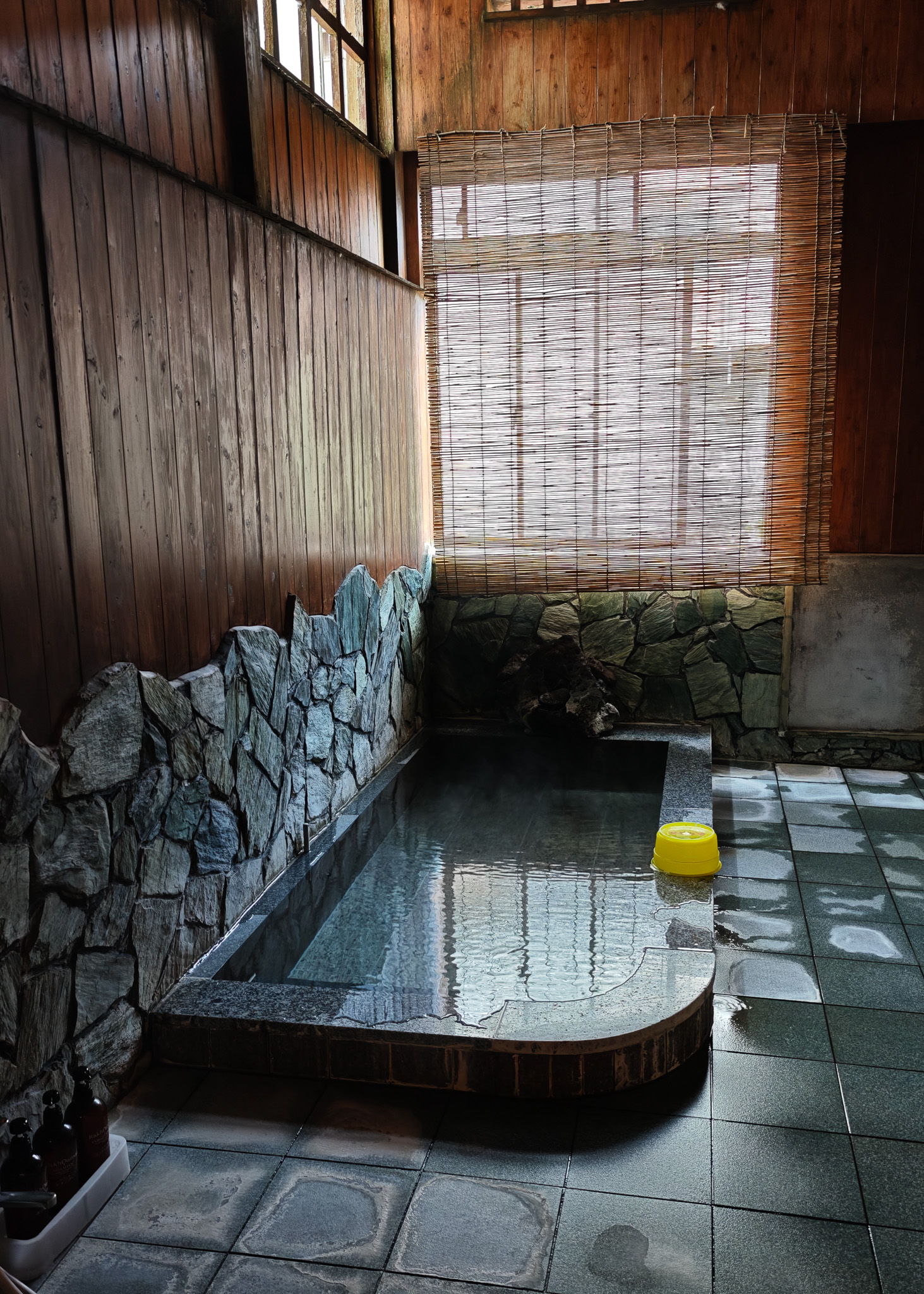
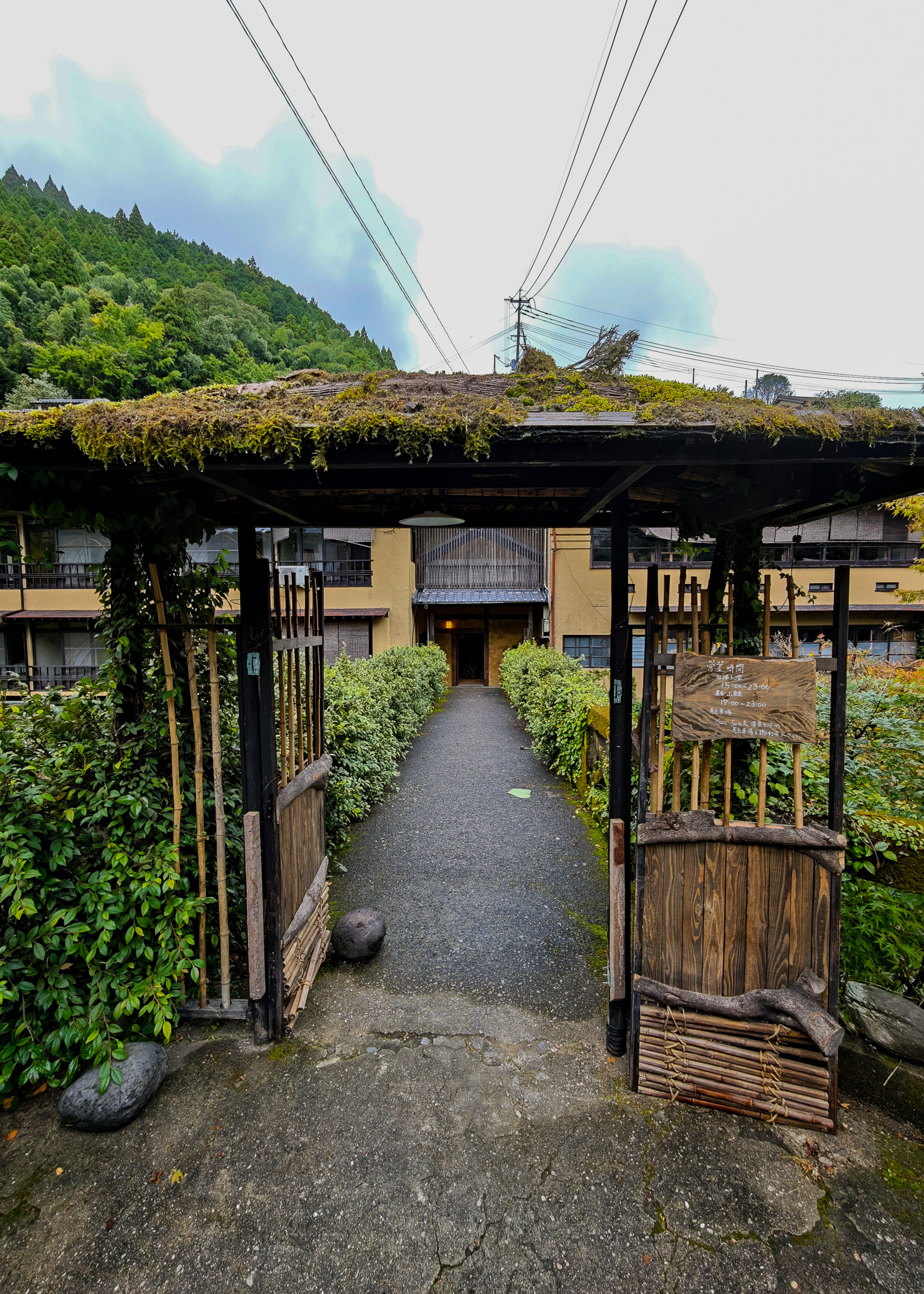
Slow Food Nippon team did a tremendous job pulling the event together taking care of every bit of the details. All the international delegates were staying at the Yunotsuru Onsen town at the foot of the mountain and we all enjoyed more than a good share of hot-spring bath after the full day activities or a short hike to the citrus farm and fields nearby appreciating the beautiful scenery of the land and sky and the mountains.
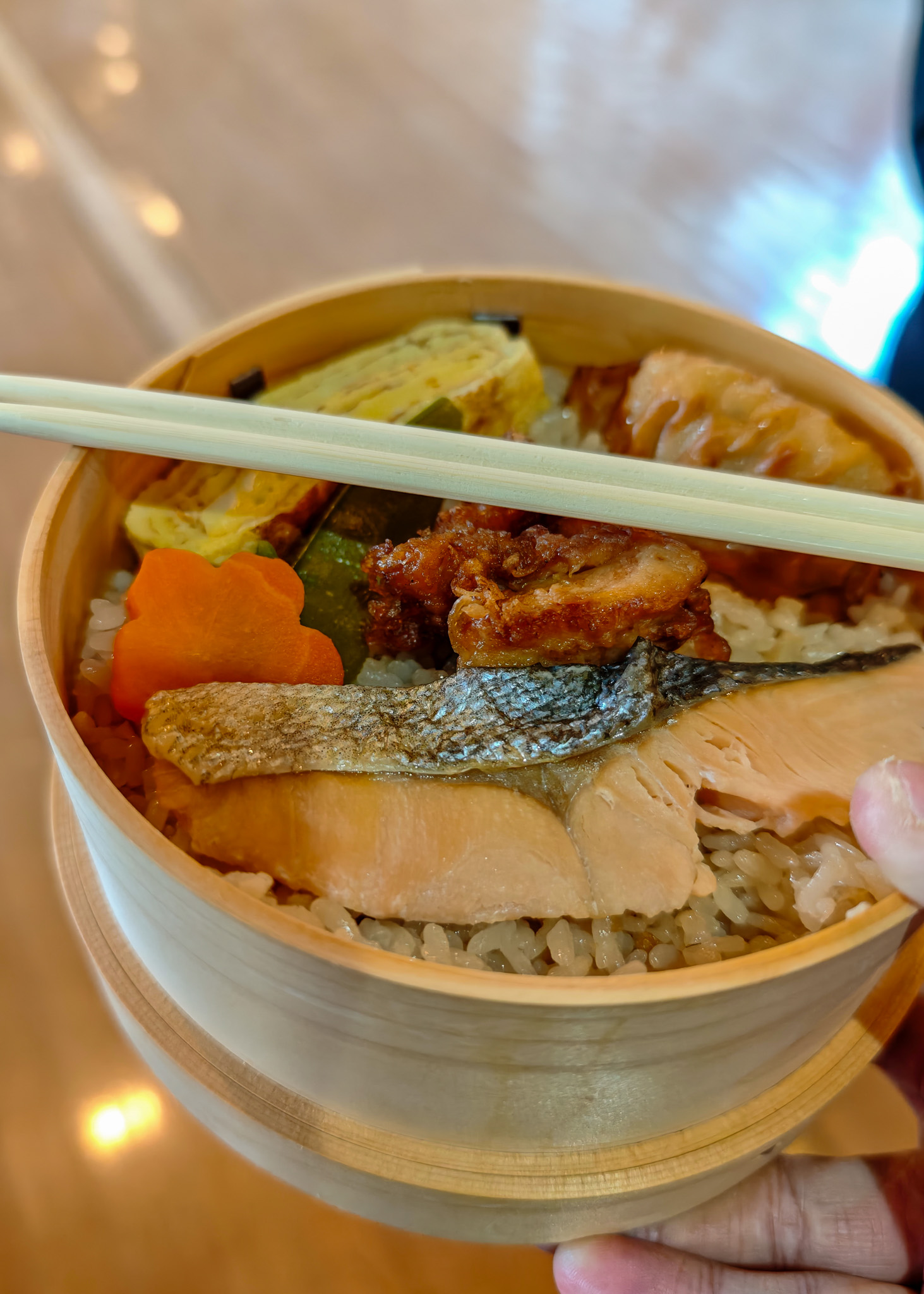
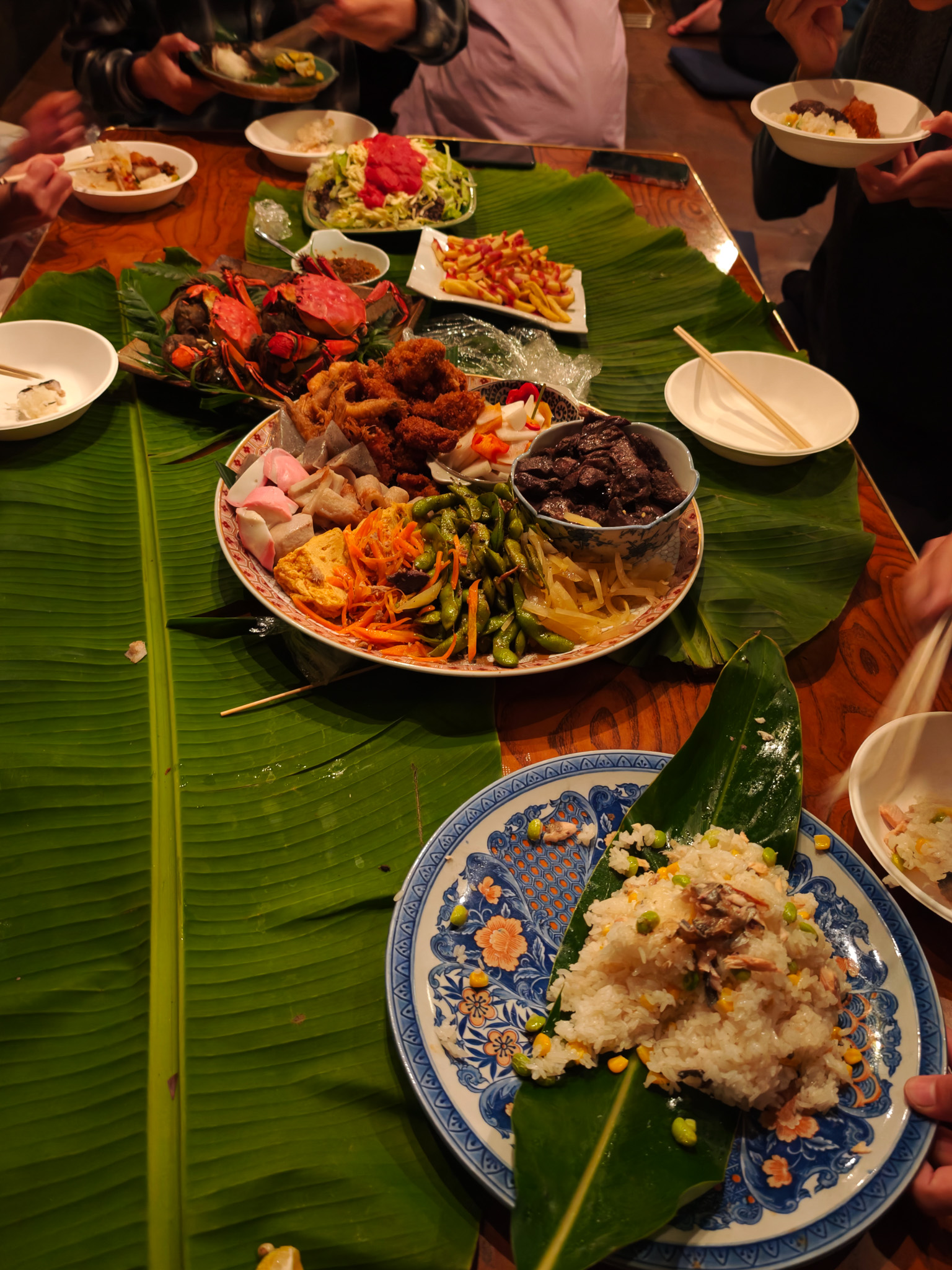
And the meals were memorable too – from the welcome dinner at the ryokan to the steamed bento prepared by the local delegates to the grand farm feast held in the countryside – those were not only time to satisfy one’s appetite but the time to connect with one another. With food being the common language, there’s no short of topics to discussed or shared a laugh with, and we had so much fun making new friends and sharing our experiences. And with relationships being built during the event, I look forward to future opportunities when we could meet again and collaborate to promote the slow food culture and awareness in Asia together.