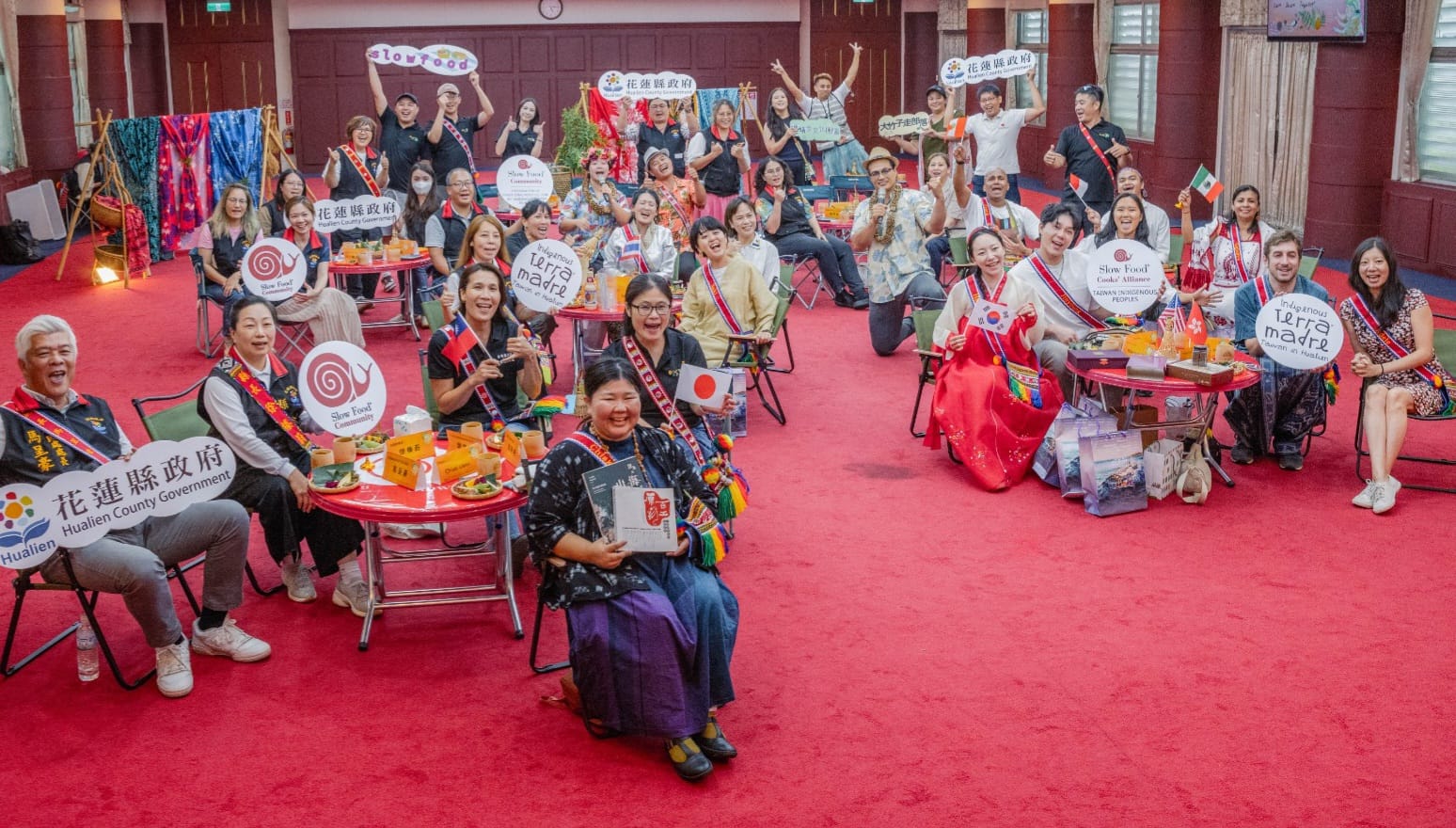
This June 2025, Slow Food Hong Kong was invited by the Slow Food Hualien network to go on a week-long cultural exchange with other Slow Food-affiliated members across the globe. It made for a memorable journey, filled with culinary adventures, history lessons, and the forming of bonds that will last well beyond this trip.
The Slow Food Hualien group represents Taiwan’s Indigenous Amis people and its various tribes and sub-tribes. As such, our trip was tailored towards learning about the Amis people and their beautiful and diverse cultural and agricultural customs. The Slow Food Hualien group is part of the broader Slow Food Indigenous Peoples network.
There were three different programs for this trip, targeting different sectors. I was assigned to the Slow Food Travel program, and got to stay with two different tribes during my trip.
The overall program saw us embedded with the tribes, learning about the plants they grow, the foods they eat (and the methods of making them), as well as their history and general culture that they are trying very hard to pass onto future generations.
CIKASUAN ADVENTURES
First, we stayed with the Cikasuan tribe. Out of the many activities that we experienced, highlights included:
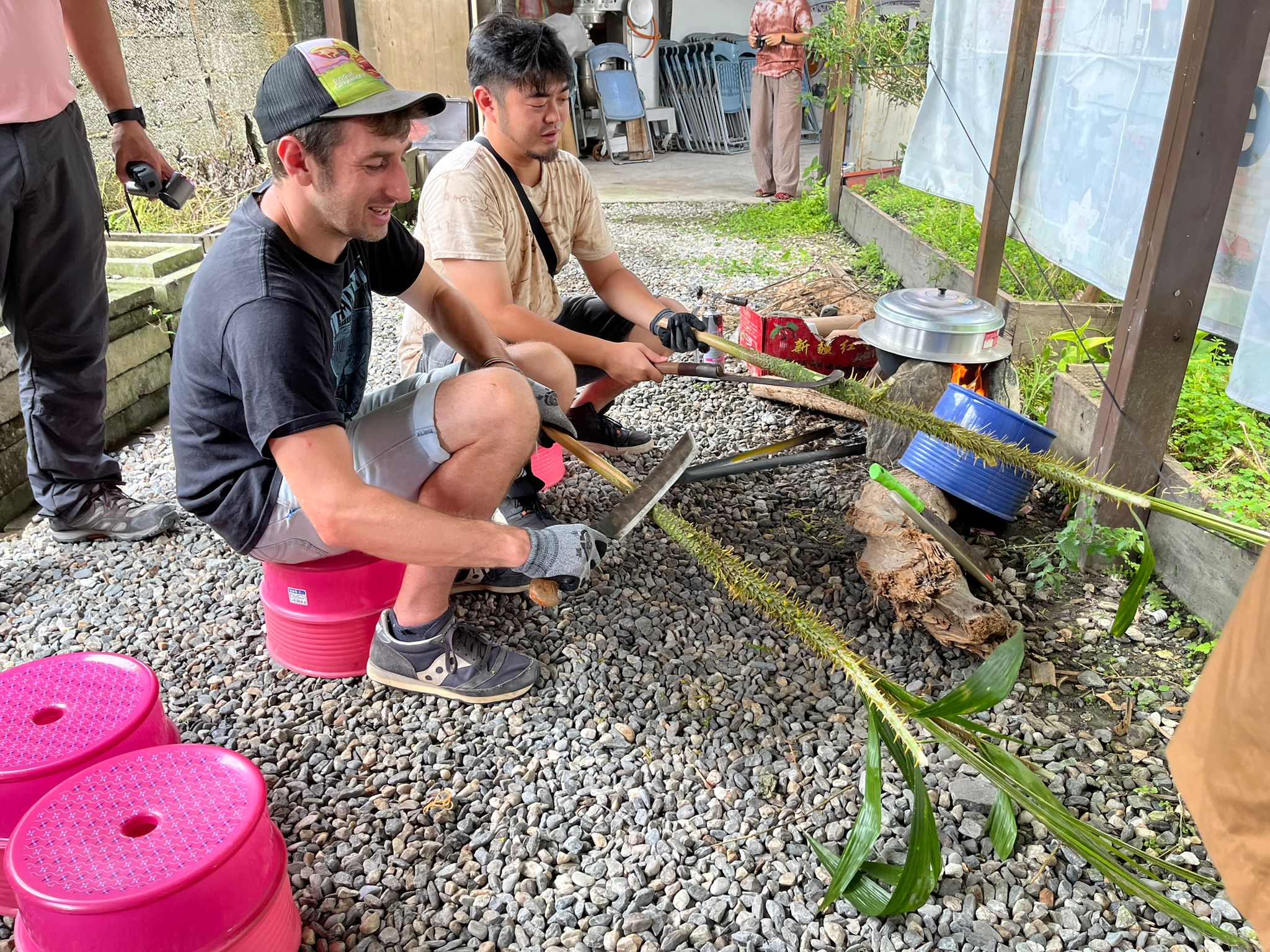
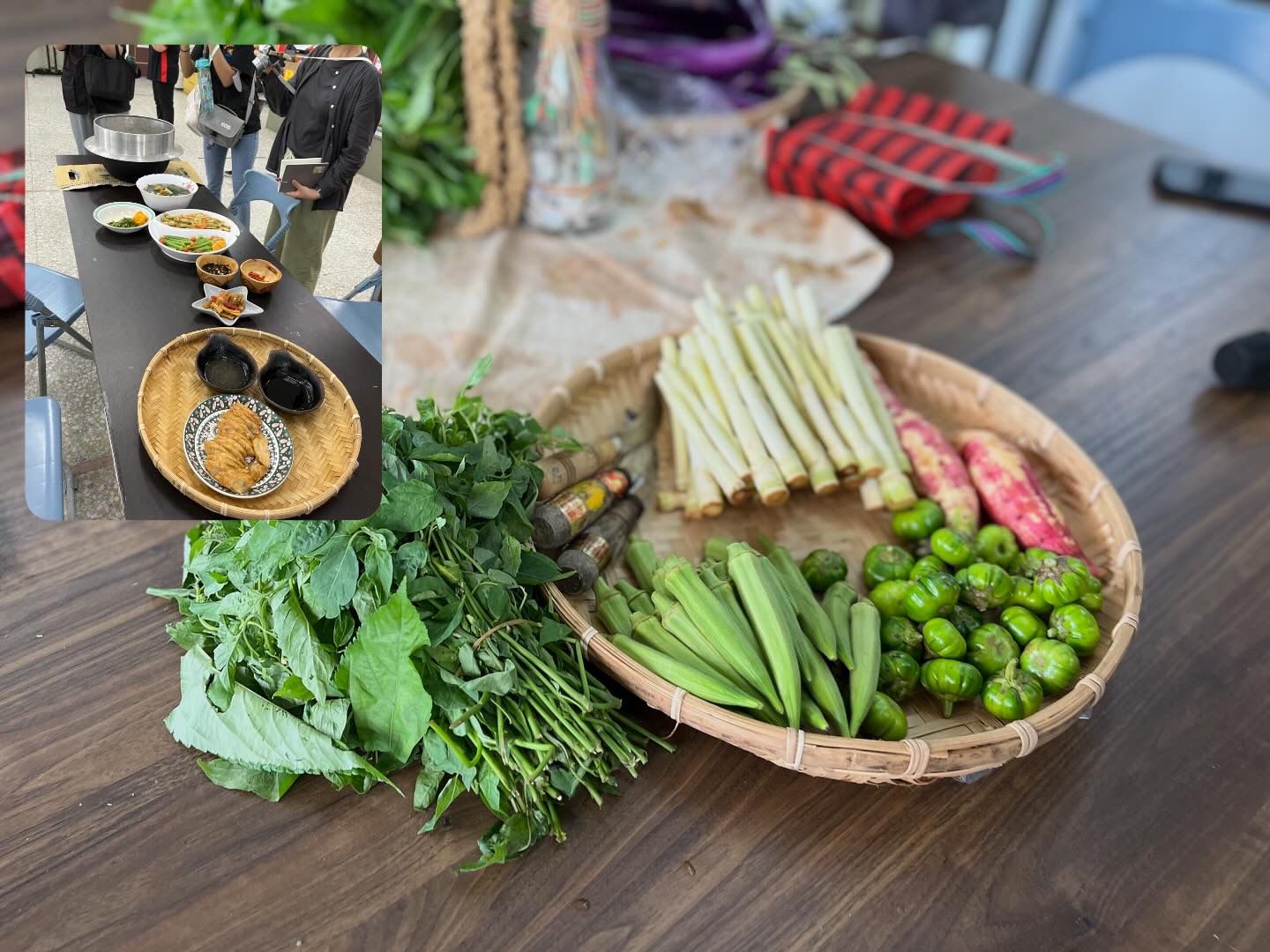
- Making a meal out of rattan shoots (which most of us didn’t realize were edible) and other wild indigenous vegetables. We also helped to chop up the rattan beforehand. We shared the meal with members of the Cikasuan Elderly Centre afterwards.
2. Learning about the cruel treatment of the Cikasuan tribe by the Japanese military (including the usage of electric wire fences to keep the tribes sequestered). Japan ruled Taiwan from 1895-1945, and back then it was known as the Republic of Formosa. There was a decisive battle in 1908 between the tribe and Japanese army which consequently caused the deaths of many tribal members and the displacement of the entire tribe. The event was highly traumatic, and even today, Elders of the tribe are hesitant to talk about it.

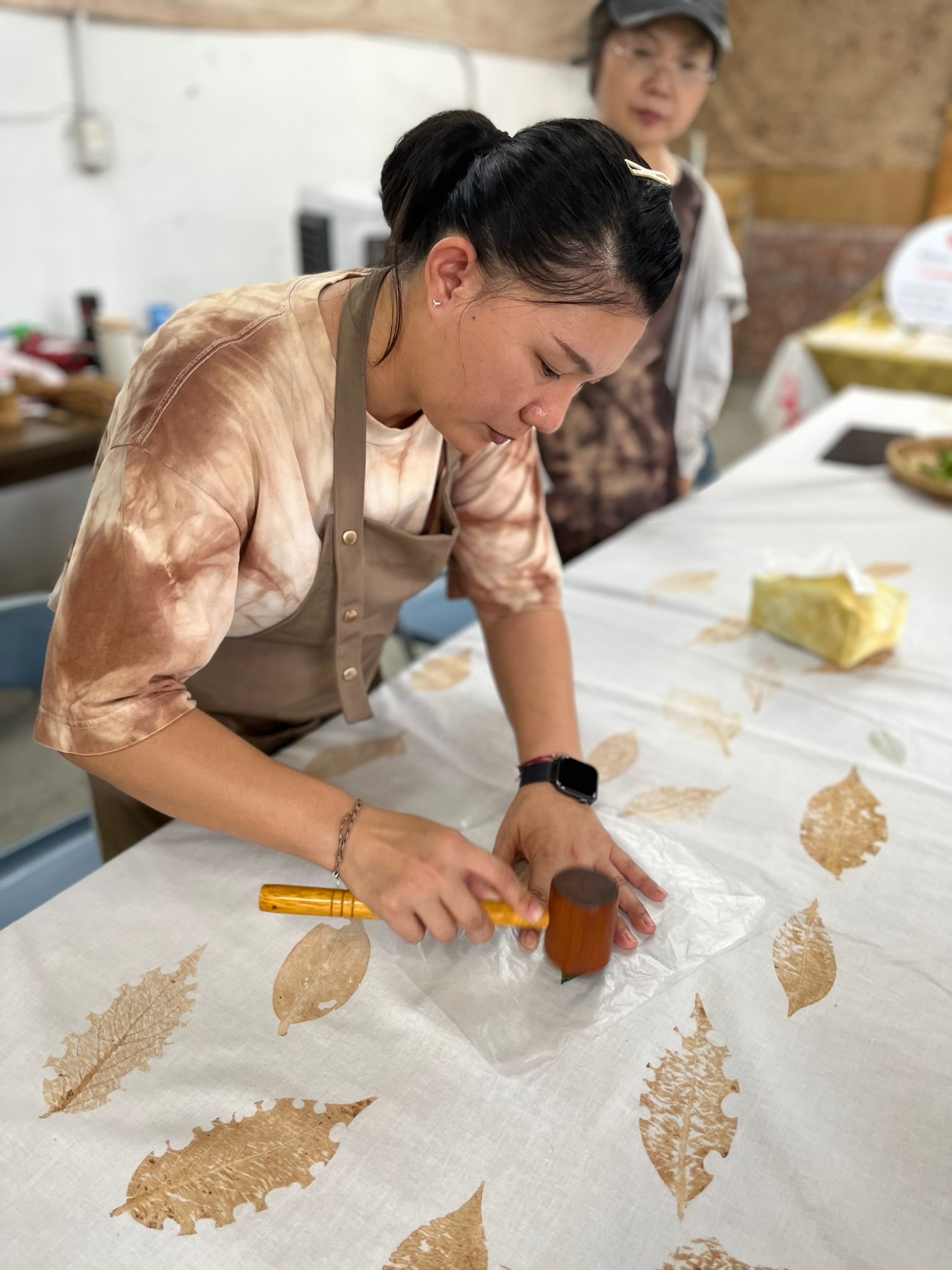
3. Making naturally dyed totes. We got to forage persimmon leaves (persimmons are a native and common fruit in the region) to transform them into natural color dyes on tote bags. The colors were beautiful, and the craft was simple and eco-friendly.